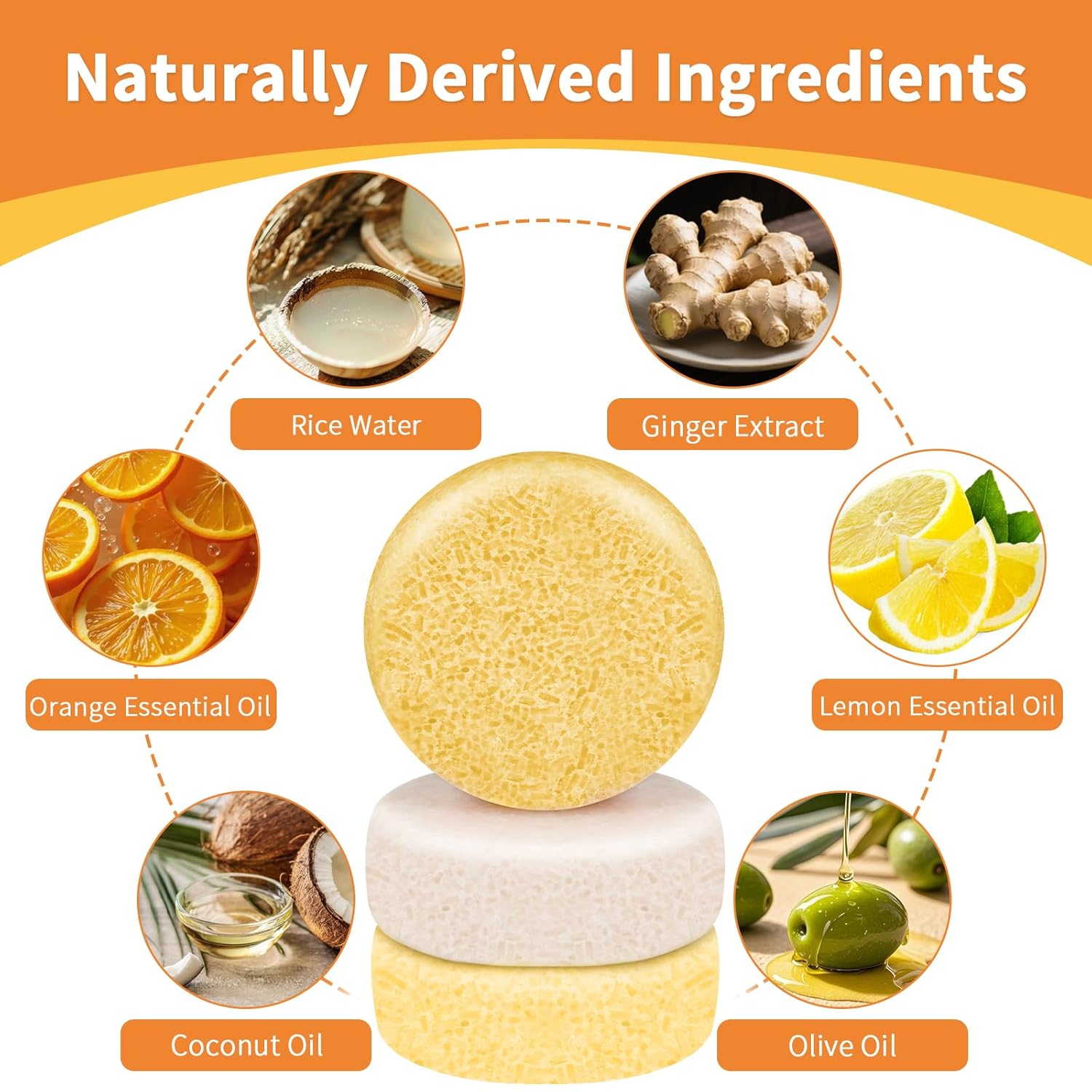
The Ultimate Guide to Handmade Soap Ingredients
Handmade soap has become one of the fastest-growing categories in the skincare and personal care industry. As consumers shift toward natural, eco-friendly, and skin-safe products, understanding handmade soap ingredients is essential for both brands and manufacturers.
Whether you are building your own soap brand or working with an OEM factory, ingredient selection directly determines product quality, skin performance, cost structure, and market positioning.
This guide breaks down the most common handmade soap ingredients, their functions, benefits, and how they are used in professional soap formulation.
1. Base Oils – The Foundation of Every Handmade Soap
Base oils are the core of any soap formulation. They determine hardness, cleansing ability, moisturizing effect, and foam quality.
Common Base Oils:
Coconut Oil
Coconut oil is one of the most widely used soap ingredients due to its strong cleansing and foaming properties.
Benefits:
- Produces rich, creamy foam
- Strong cleansing ability
- Helps remove excess oil and dirt
Consideration:
High usage may cause dryness, so it is often balanced with other oils.
Olive Oil
Olive oil is known for its gentle and moisturizing properties.
Benefits:
- Deep hydration for skin
- Suitable for sensitive skin
- Produces mild, long-lasting soap bars
Consideration:
Low foam but excellent skin conditioning effect.
Palm Oil (or Sustainable Alternatives)
Palm oil is used to create hardness and structure in soap bars.
Benefits:
- Makes soap hard and long-lasting
- Stable foam structure
- Improves shelf life
Trend Note:
Many OEM manufacturers now offer RSPO-certified sustainable palm oil alternatives.
Shea Butter
A premium ingredient in luxury handmade soaps.
Benefits:
- Rich in vitamins A and E
- Deeply moisturizing
- Helps improve skin elasticity
2. Lye (Sodium Hydroxide) – The Essential Reaction Agent
Lye is a critical ingredient in traditional soap making. Without it, true soap cannot be formed.
Role of Lye:
Lye reacts with oils through saponification to create soap and glycerin.
Important Facts:
- No lye remains in the final product when properly formulated
- Essential for cold process and hot process soap
- Must be precisely measured for safety and stability
For OEM production, lye handling is strictly controlled under GMP standards to ensure safety and consistency.
3. Natural Additives – Enhancing Function & Skin Benefits
Additives are used to improve texture, appearance, and skincare performance.
Common Additives:
Essential Oils
Used for fragrance and aromatherapy effects.
Examples:
- Lavender oil (relaxing)
- Tea tree oil (anti-bacterial)
- Peppermint oil (refreshing)
Herbal Extracts
Plant-based extracts improve skin benefits.
Examples:
- Aloe vera: soothing and hydrating
- Green tea: antioxidant protection
- Chamomile: calming sensitive skin
Clays (Kaolin, Bentonite)
Used for detox and deep cleansing soaps.
Benefits:
- Absorbs oil and impurities
- Improves skin clarity
- Adds natural color
Natural Colorants
Derived from plants, minerals, or clays.
Examples:
- Activated charcoal (detox black soap)
- Turmeric (brightening effect)
- Spirulina (green pigment and nutrients)
4. Glycerin – The Natural Moisturizer
One of the most valuable by-products of soap making is glycerin.
Benefits:
- Attracts moisture to the skin
- Prevents dryness after washing
- Improves skin softness
Commercial soaps often remove glycerin, but handmade soap retains it, making it more skin-friendly and premium.
5. Fragrance System – Creating Brand Identity
Fragrance is not just a sensory element; it defines brand identity.
Options:
Natural Essential Oils
- Clean label positioning
- Suitable for sensitive skin markets
Fragrance Oils
- Stronger and longer-lasting scent
- Wider variety of fragrance profiles
OEM brands often choose hybrid systems depending on target market regulations (EU, US, Middle East).
6. Exfoliating Ingredients – Functional Enhancement
Exfoliation is a key selling point in modern handmade soaps.
Common Exfoliants:
- Oatmeal (gentle exfoliation, sensitive skin)
- Coffee grounds (anti-cellulite claims)
- Sea salt (deep cleansing effect)
- Walnut shell powder (strong exfoliation)
These ingredients add functional value and improve product differentiation in competitive markets.
7. How Ingredients Affect Soap Performance
Each ingredient plays a role in the final product:
| Ingredient Type | Main Function |
|---|---|
| Oils | Moisturizing & cleansing |
| Lye | Soap formation |
| Additives | Skin benefits |
| Fragrance | Sensory experience |
| Exfoliants | Deep cleaning |
A balanced formulation ensures:
- Stable hardness
- Proper foam performance
- Skin compatibility
- Market-specific compliance
8. OEM Soap Formulation Tips for Brands
If you are developing a private label soap brand, ingredient strategy is critical.
Key Development Considerations:
1. Market Positioning
- Luxury skincare → shea butter + essential oils
- Mass market → coconut + palm oil base
- Sensitive skin → olive oil + oat extract
2. Regulatory Compliance
Ensure compliance with:
- IFRA fragrance standards
- EU cosmetic regulations
- FDA labeling requirements
3. Stability Testing
- pH balance testing
- Hardness and shelf-life testing
- Microbial safety tests
4. Cost Optimization
Raw materials directly affect:
- Production cost
- Minimum order quantity (MOQ)
- Final retail pricing
9. Trends in Handmade Soap Ingredients (2026)
The handmade soap industry is evolving rapidly.
Key Trends:
- Vegan and cruelty-free formulations
- Plastic-free and zero-waste packaging
- Organic and biodegradable ingredients
- Functional skincare soaps (anti-acne, anti-aging)
- Transparent ingredient labeling
Brands that adopt clean-label formulations are seeing stronger consumer trust and higher conversion rates.
Conclusion
Understanding handmade soap ingredients is essential for creating high-quality skincare products and building a successful soap brand. From base oils and lye to natural additives and fragrances, every ingredient plays a strategic role in performance, safety, and brand positioning.
For OEM and private label brands, ingredient selection is not just a formulation decision—it is a marketing and business strategy.
If you are developing a handmade soap line, working with an experienced OEM partner can help you optimize formulation, ensure compliance, and accelerate your time to market.