Introduction
Soap is one of the most essential products in our daily lives. From washing our hands to cleansing our faces and bodies, soap keeps us fresh, clean, and healthy. But not all soaps are created equal. Many commercial soaps found on supermarket shelves are filled with synthetic detergents, artificial fragrances, and preservatives that can strip your skin of natural oils.
In contrast, cold process soap is crafted using traditional methods, natural ingredients, and a slow curing process that preserves the nourishing benefits of oils and butters. This method has gained popularity among skincare enthusiasts, eco-conscious consumers, and anyone looking for a gentler, more sustainable alternative.
So why should you choose cold process soap over mass-produced varieties? Let’s take a deep dive into what makes this type of soap unique, its many benefits, and why it might be the perfect addition to your skincare routine.
1. What Is Cold Process Soap?
Cold process soap is made by combining natural oils or fats with lye (sodium hydroxide). Through a chemical reaction called saponification, the oils transform into soap and glycerin. The process requires no external heat, which is why it’s called “cold.”
Unlike commercial soaps, which are often made with detergents and stripped of glycerin, cold process soaps retain this natural byproduct. Glycerin acts as a powerful humectant, drawing moisture into the skin and leaving it soft and hydrated.
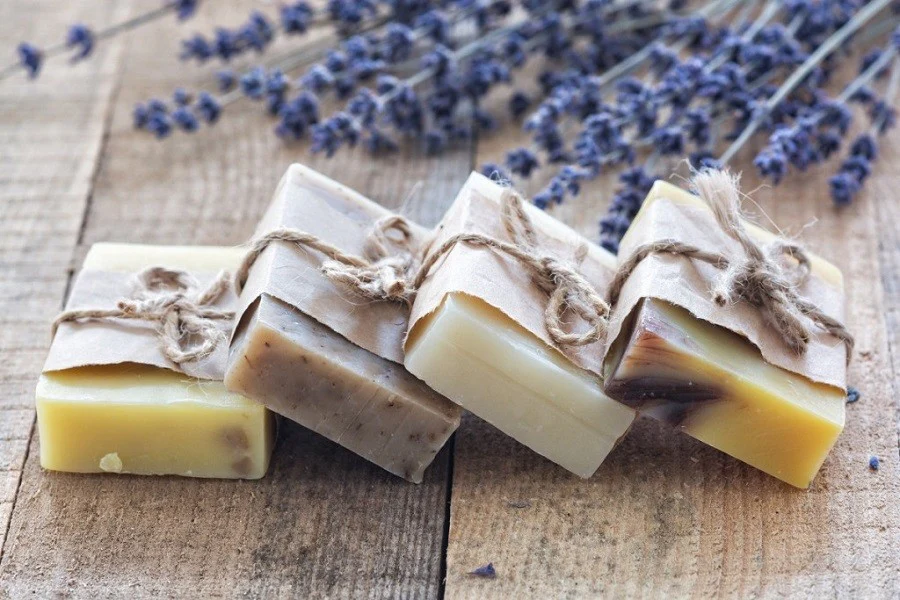
Cold process soaps are usually handmade in small batches, poured into molds, cut into bars, and left to cure for 4–6 weeks. This curing process allows water to evaporate, creating a firm, long-lasting bar of soap.
2. Natural Ingredients for Healthier Skin
One of the most compelling reasons to choose cold process soap is the quality of ingredients.
-
Plant-Based Oils and Butters: Olive oil, coconut oil, shea butter, cocoa butter, and avocado oil are commonly used. Each adds unique benefits, such as hydration, nourishment, or gentle cleansing.
-
Essential Oils: Instead of synthetic fragrances, cold process soaps often use essential oils like lavender, tea tree, or peppermint for natural scents and therapeutic properties.
-
Herbs and Botanicals: Dried flowers, clays, oats, and activated charcoal can be added for exfoliation, soothing properties, or detoxification.
-
No Harsh Additives: Free from sulfates, parabens, and petroleum-based chemicals that can irritate sensitive skin.
By using natural ingredients, cold process soap not only cleanses but also supports healthier skin.
3. Moisturizing Properties: The Role of Glycerin
Commercial soaps are often stripped of glycerin, which is then sold separately in expensive skincare products. Cold process soaps, on the other hand, retain all the glycerin produced during saponification.
Benefits of Glycerin:
-
Attracts water to the skin, preventing dryness.
-
Helps maintain the skin’s protective barrier.
-
Leaves skin soft and supple after every wash.
This is why cold process soaps are especially loved by those with dry or sensitive skin.
4. Customization and Variety
Cold process soap allows for endless creativity. Artisans can experiment with:
-
Unique oil combinations for different skin types.
-
Natural colorants like spirulina, turmeric, or cocoa.
-
Decorative swirls and designs, making each bar a piece of art.
This customization means you can find cold process soaps tailored to specific needs—whether it’s acne-prone skin, anti-aging, or simply a luxurious fragrance experience.
5. Long-Lasting and Cost-Effective
While handmade soap may seem more expensive at first glance, it actually lasts longer than commercial bars because of its dense, cured structure. You need less product per wash, and the bar won’t dissolve as quickly when stored properly.
Over time, cold process soaps can be more cost-effective while also delivering superior skincare benefits.
6. Eco-Friendly and Sustainable Choice
Cold process soaps are often made by small businesses that prioritize sustainability.
-
Plastic-Free Packaging: Many soaps are wrapped in paper, cardboard, or biodegradable materials instead of plastic.
-
Biodegradable Formula: Since they use natural oils and no synthetic detergents, the soap itself is safe for the environment.
-
Ethical Sourcing: Many soap makers use sustainably sourced oils, organic botanicals, and fair-trade ingredients.
By switching to cold process soap, you can reduce your household plastic waste and support eco-friendly businesses.
7. Gentle and Suitable for Sensitive Skin
Cold process soaps are less likely to irritate the skin because they avoid harsh chemicals. This makes them ideal for:
-
People with eczema or psoriasis.
-
Babies and children with delicate skin.
-
Anyone sensitive to artificial fragrances or dyes.
Since every batch can be customized, you can choose soaps specifically formulated for sensitive skin.
8. Aromatherapy Benefits
Essential oils in cold process soap don’t just add scent—they provide aromatherapy benefits.
-
Lavender: Relaxation and stress relief.
-
Tea Tree: Antibacterial and acne-fighting.
-
Peppermint: Refreshing and cooling sensation.
-
Citrus Oils: Energizing and uplifting.
This transforms an everyday routine into a calming or invigorating ritual.
9. The Artisanal Appeal
Each bar of cold process soap is unique. The craftsmanship involved makes it more than just soap—it’s a luxury experience. Many people also love supporting local artisans, knowing that each bar is made with care rather than mass-produced in factories.
10. The Future of Skincare: A Return to Tradition
As consumers become more aware of ingredient labels, sustainability, and ethical sourcing, cold process soap is experiencing a renaissance. It combines traditional soap-making methods with modern knowledge of skincare science. Choosing cold process soap means choosing a product that is better for your skin, your wallet, and the planet.
Frequently Asked Questions (FAQ)
Q1: Is cold process soap safe for all skin types?
Yes. With the right blend of oils, it can be made for dry, oily, sensitive, or combination skin.
Q2: Does cold process soap expire?
It doesn’t spoil quickly but may lose scent over time. Most bars last 1–2 years.
Q3: Is lye safe in cold process soap?
Absolutely. Though lye is required to make soap, none remains in the final product after saponification.
Q4: Can cold process soap be used on the face?
Yes, especially if it’s formulated with gentle oils and essential oils.
Q5: Why does cold process soap need to cure?
Curing allows excess water to evaporate, making the bar harder, longer-lasting, and milder on the skin.
Conclusion
Choosing cold process soap means choosing natural skincare, sustainability, and long-term skin health. Unlike commercial soaps that prioritize cost and shelf life, cold process soap emphasizes quality ingredients, artisan methods, and eco-friendly values.
Whether you’re looking for gentler cleansing, more hydration, or a greener lifestyle, cold process soap delivers on every level. It’s more than just a cleansing product—it’s a conscious choice for your skin and the planet.