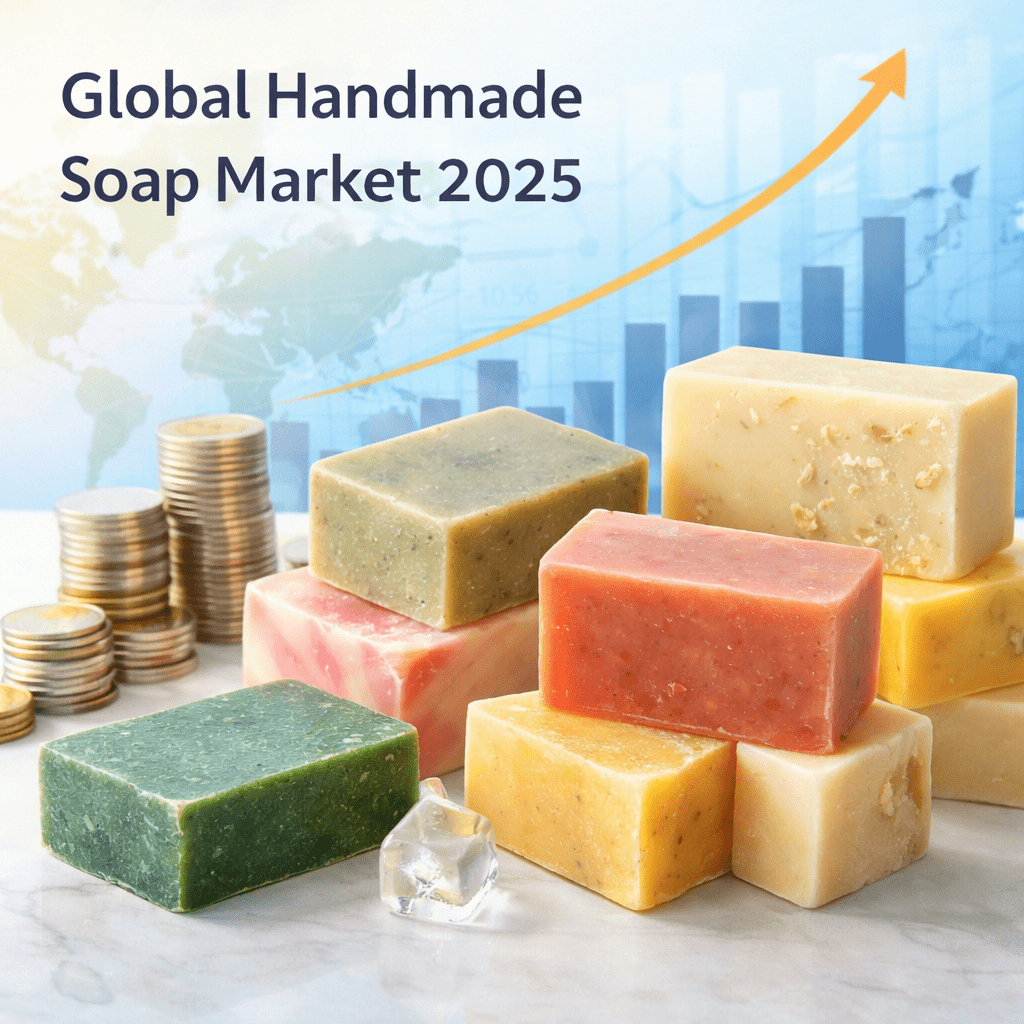
Introduction: Why the Handmade Soap Market Matters in 2025
The global handmade soap market is entering a new growth phase in 2025. Driven by clean beauty awareness, sustainability concerns, and the rise of niche personal care brands, handmade soaps are no longer limited to artisan fairs or small boutiques. Today, they are a strategic product category for independent brands, DTC businesses, and private label companies worldwide.
In this article, we explore market size and growth trends, regional opportunities, evolving consumer preferences, and OEM/ODM opportunities that define the handmade soap market in 2025.
1. Global Handmade Soap Market Size & Growth Outlook
The handmade soap market continues to expand steadily as consumers move away from mass-produced cleansing bars toward natural, skin-friendly alternatives.
Key growth drivers include:
-
Rising demand for natural and plant-based ingredients
-
Increased awareness of skin sensitivity and barrier protection
-
Growth of eco-conscious and zero-waste lifestyles
-
Expansion of independent beauty and lifestyle brands
While the overall soap market remains dominated by large FMCG players, the handmade and premium soap segment shows higher value growth, particularly in North America, Europe, and parts of Asia-Pacific.
Handmade soaps are positioned as affordable luxury, offering storytelling, craftsmanship, and ingredient transparency—factors that resonate strongly with modern consumers.
2. Regional Market Trends & Growth Opportunities
North America
The U.S. and Canada remain leading markets for handmade soaps. Consumers prioritize:
-
Clean-label formulations
-
Cruelty-free and vegan claims
-
Masculine, wellness, and lifestyle-driven scents
Subscription boxes, farmer’s markets, and DTC brands play a key role in distribution.
Europe
European consumers focus heavily on:
-
Sustainability and compliance
-
Organic and certified ingredients
-
Minimalist packaging
Markets such as Germany, France, and the UK show strong demand for private label handmade soap for boutique hotels, eco-retailers, and gift brands.
Asia-Pacific
Asia-Pacific is one of the fastest-growing regions. Growth is fueled by:
-
Rising middle-class income
-
Influence of K-beauty and J-beauty clean beauty trends
-
Increased demand for gentle and herbal formulations
Japan, South Korea, Southeast Asia, and Australia show high acceptance of premium handmade soap brands.
Middle East & Emerging Markets
In the Middle East, handmade soaps featuring olive oil, oud, honey, and botanical extracts are gaining traction. Premium gifting and hotel amenities represent strong opportunities.
3. Changing Consumer Preferences in 2025
Understanding consumer behavior is critical to success in the handmade soap market.
Key preferences shaping 2025 include:
Ingredient Transparency
Consumers expect clear INCI lists and avoid controversial additives such as SLS, parabens, and synthetic dyes.
Function + Experience
Handmade soap buyers now seek functional benefits:
-
Moisturizing
-
Sensitive skin support
-
Acne control
-
Aromatherapy effects
Scent Personalization
Popular scent categories include:
-
Fruity and gourmand
-
Herbal and botanical
-
Woody and masculine
-
Essential oil blends
Sustainability
Plastic-free packaging, biodegradable wraps, and refill concepts influence purchasing decisions.
Social & Emotional Value
Handmade soaps are often bought as gifts, self-care items, or lifestyle accessories—not just cleansing products.
4. Packaging & Branding Trends
Packaging has become a core differentiator in the handmade soap market.
2025 trends include:
-
Kraft paper and FSC-certified boxes
-
Transparent or window packaging to showcase craftsmanship
-
Minimalist typography and storytelling labels
-
Limited edition and seasonal collections
Brands that combine visual appeal + sustainability messaging perform significantly better in online and offline channels.
5. OEM & Private Label Opportunities
For brands entering or scaling in the handmade soap market, OEM and ODM solutions offer significant advantages.
Why OEM Handmade Soap Makes Sense in 2025:
-
Lower R&D and production costs
-
Faster time to market
-
Access to tested, compliant formulations
-
Flexible MOQs for emerging brands
OEM manufacturers can support:
-
Formula customization (oil ratios, additives, fragrance)
-
Shape, color, and texture development
-
Private label and branded packaging
-
Compliance with US, EU, and global regulations
If you are looking for a reliable partner to develop private label or custom handmade soaps, working with an experienced manufacturer like
👉 OEM Soaps
can help accelerate your brand growth while ensuring quality and scalability.
6. Sales Channels & Go-to-Market Strategies
Successful handmade soap brands in 2025 leverage multiple channels:
-
DTC websites
-
Amazon and niche marketplaces
-
Boutique retail and concept stores
-
Hotel and hospitality partnerships
-
Corporate and seasonal gifting
Combining content marketing, SEO, and social media storytelling significantly improves brand visibility and customer trust.
7. Challenges & How Brands Can Win
Despite strong growth, the handmade soap market faces challenges:
-
Price competition
-
Ingredient cost fluctuations
-
Regulatory compliance
-
Brand saturation
Winning brands focus on:
-
Clear positioning (skin type, lifestyle, sustainability)
-
Strong visual identity
-
Transparent sourcing and claims
-
Strategic OEM partnerships
Conclusion: The Future of Handmade Soap
The global handmade soap market in 2025 offers strong opportunities for brands that understand consumer values, regional demand, and operational efficiency. As handmade soaps evolve from artisan products to scalable lifestyle essentials, OEM manufacturing and private label strategies will play an increasingly important role.
Brands that combine authentic storytelling, clean formulations, and professional manufacturing support are best positioned to succeed in this growing market.
For more insights on clean beauty and soap industry developments, you may also explore industry resources such as
🔗 Personal Care Products Council.