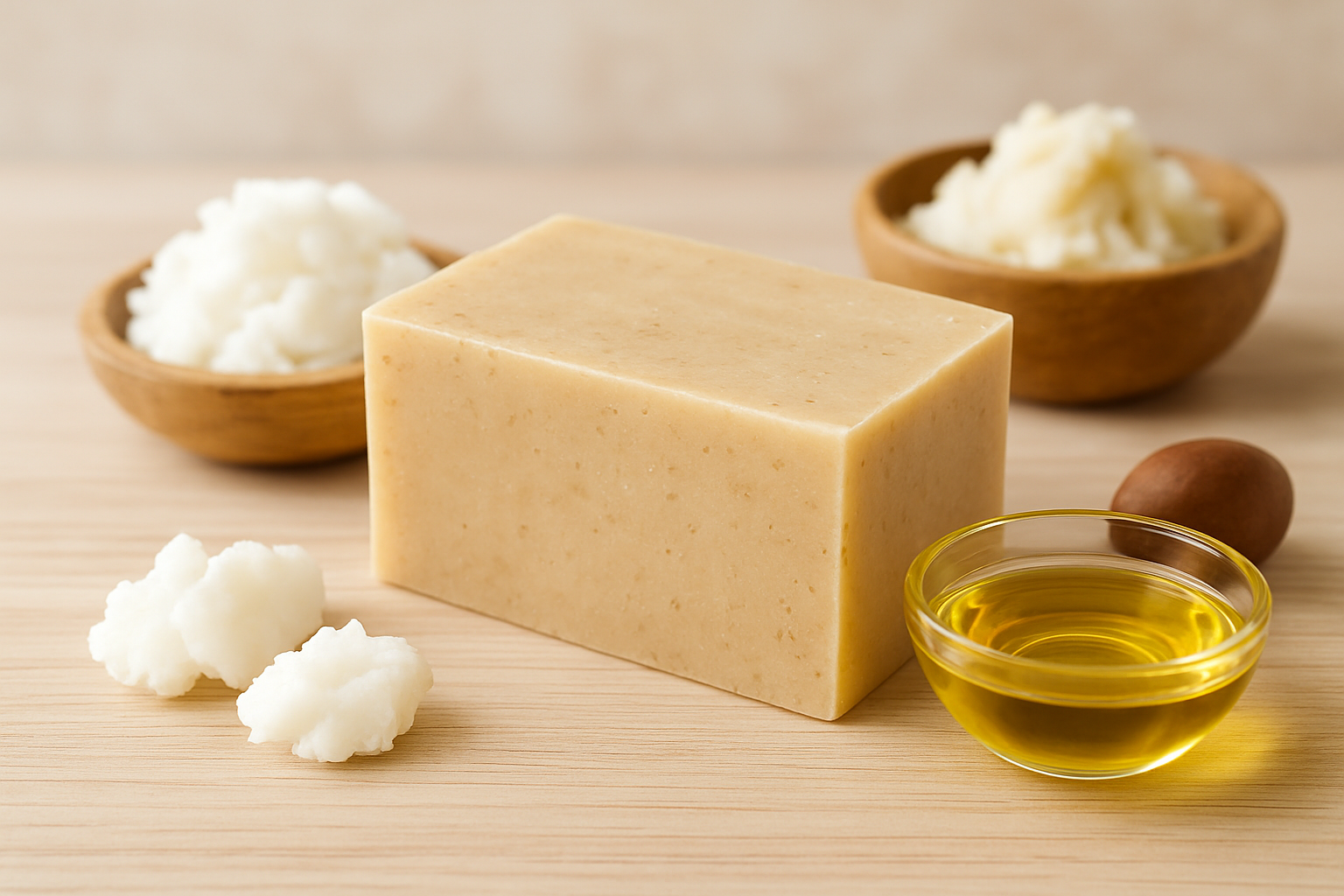
Sustainable Ingredients in Soap Making: Palm Oil Alternatives
In today’s eco-conscious market, more consumers are demanding palm oil free soap and sustainable beauty products. As environmental awareness grows, brands are shifting toward eco-friendly ingredients that reduce deforestation and promote responsible sourcing.
Why Move Away from Palm Oil?
Palm oil has been a common base in soap production for decades due to its affordability and lathering properties. However, its large-scale cultivation has led to deforestation, habitat loss, and increased carbon emissions. Choosing palm oil alternatives allows brands to support sustainability and attract eco-conscious customers.
Top Eco-Friendly Alternatives to Palm Oil
-
Coconut Oil – Creates a rich, foamy lather and cleans effectively.
-
Olive Oil – Known for its gentle, moisturizing properties and long-lasting bar texture.
-
Shea Butter – Adds creaminess and nourishment to the skin while supporting fair-trade sourcing.
-
Castor Oil – Enhances lather stability and boosts hydration.
-
Sunflower Oil – A lightweight, sustainable option that softens and protects the skin.
Benefits of Palm Oil Free Soap
-
Environmental Responsibility: Reduces deforestation and carbon footprint.
-
Ethical Sourcing: Supports small-scale, fair-trade ingredient producers.
-
Brand Differentiation: Appeals to the growing segment of sustainable skincare consumers.
-
Improved Transparency: Builds trust with customers who value eco-friendly commitments.
How Brands Can Transition to Sustainable Soap
-
Work with certified sustainable ingredient suppliers.
-
Highlight “palm oil free” or “eco-friendly ingredients” on product packaging.
-
Educate consumers about the positive environmental impact.
Conclusion
As sustainability becomes central to modern skincare, using palm oil alternatives is more than a trend — it’s a long-term investment in ethical beauty. By reformulating with natural, eco-friendly oils and butters, soap brands can reduce environmental impact and build stronger consumer trust.