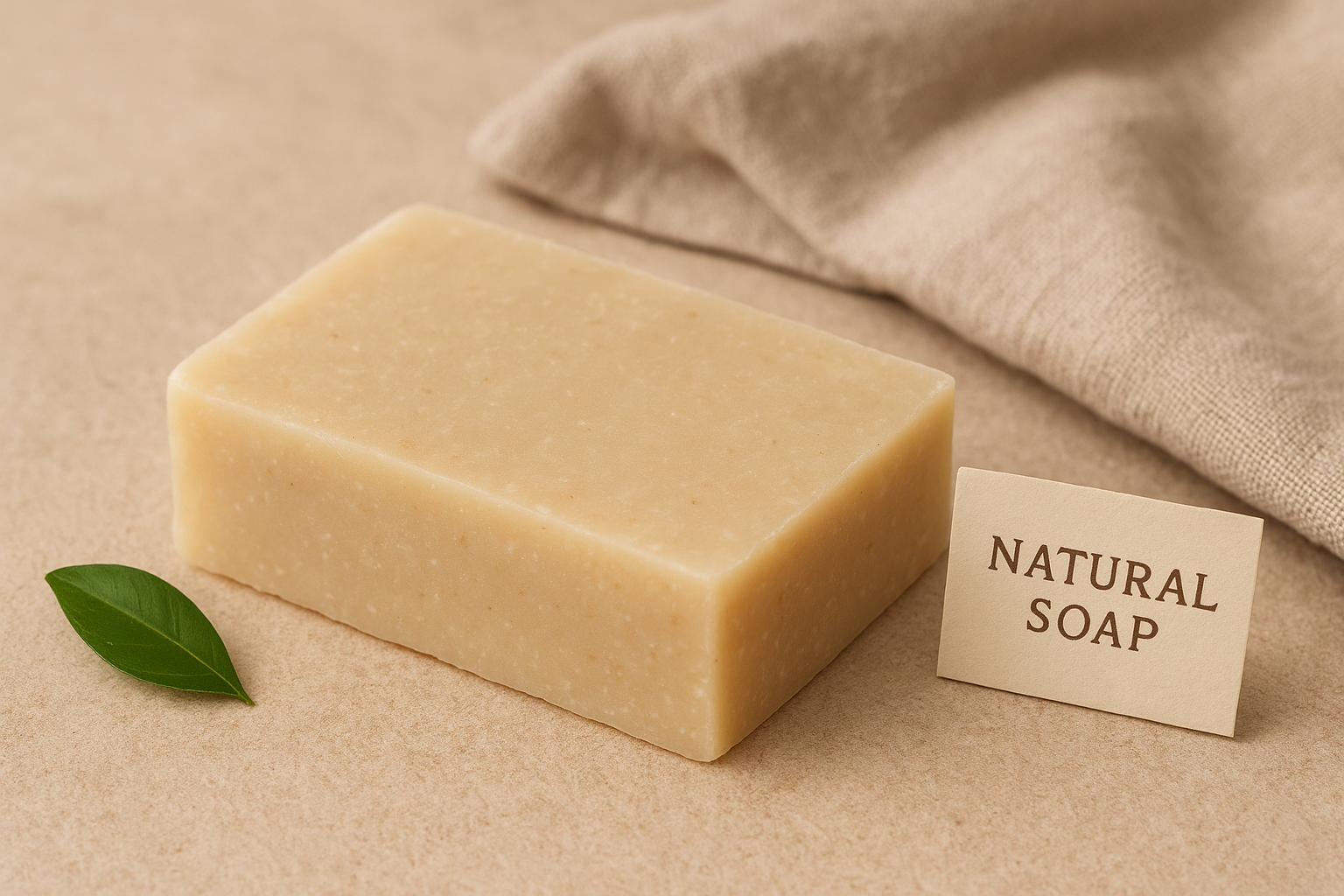
Ingredients, Safety & Testing Standards Explained
For people with sensitive skin, choosing the wrong soap can easily lead to dryness, redness, itching, or even allergic reactions. As consumer awareness grows, more brands and distributors are actively looking for low-irritation, skin-friendly handmade soaps that meet international safety standards.
In this article, we explain how sensitive-skin customers should choose handmade soap, from ingredient selection and allergen avoidance to third-party safety testing—helping brands and buyers make confident, informed decisions.
What Is Sensitive Skin and Why Soap Choice Matters
Sensitive skin is not a medical condition but a skin state characterized by a weakened skin barrier and heightened reactivity to external stimuli. People with sensitive skin often experience:
-
Tightness or dryness after cleansing
-
Redness or burning sensations
-
Reactions to fragrance, preservatives, or surfactants
Because soap is a wash-off product used daily, its formula plays a crucial role in maintaining skin comfort. A poorly designed soap may strip natural lipids, disrupt pH balance, and aggravate skin sensitivity.
Key Principles of Low-Irritation Handmade Soap Formulation
A true low-allergen handmade soap is not simply “natural”—it must be carefully formulated to minimize irritation while maintaining effective cleansing.
1. Mild Cleansing System
Sensitive-skin soaps should avoid overly aggressive surfactants or high-cleansing formulas. Well-balanced handmade soaps often use:
-
Olive oil-based or high-oleic formulations
-
Reduced coconut oil percentages to lower stripping effects
-
Superfatting techniques to leave protective lipids on the skin
This helps cleanse without damaging the skin barrier.
2. pH Balance Close to Skin Comfort Range
Although traditional soap is naturally alkaline, professional manufacturers adjust formulations and curing processes to ensure a gentler, skin-friendly experience.
-
Overly high pH may cause dryness and irritation
-
Balanced formulas reduce tightness after washing
Controlled pH is especially important for people with eczema-prone or reactive skin.
3. Careful Selection of Base Oils
Not all plant oils are equally suitable for sensitive skin. Preferred options include:
-
Olive oil – soothing, barrier-supportive
-
Shea butter – anti-inflammatory and nourishing
-
Rice bran oil – gentle and antioxidant-rich
Oils with strong cleansing or stimulating properties should be used cautiously or avoided altogether in sensitive-skin products.
Common Allergens to Avoid in Sensitive Skin Soap
One of the biggest concerns for sensitive-skin customers is hidden irritants. A professional low-sensitive soap avoids or strictly controls the following:
1. Strong Fragrance & Essential Oils
While essential oils are natural, many are also potential allergens. Sensitive-skin soaps should be:
-
Fragrance-free, or
-
Formulated with IFRA-compliant, low-allergen fragrance at minimal dosage
Popular irritants include cinnamon, clove, peppermint, and some citrus oils.
2. Synthetic Dyes and Colorants
Artificial colorants add no skincare benefit and may increase irritation risk. Sensitive-skin soaps typically use:
-
No added color
-
Natural clays or botanical powders at low levels
3. Harsh Preservatives & Additives
Although handmade soap generally requires fewer preservatives, any additives should comply with strict cosmetic safety regulations and avoid known sensitizers.
Why “Natural” Does Not Always Mean “Safe”
A common misconception is that natural ingredients are always suitable for sensitive skin. In reality:
-
Some plant extracts are highly active and irritating
-
Essential oils can trigger allergic responses
-
Botanical variability may affect consistency
This is why professional formulation control and safety testing are essential—especially for brands targeting sensitive consumers.
Third-Party Safety Testing That Builds Trust
For brands selling sensitive-skin handmade soap, third-party testing is a key differentiator and trust signal.
1. Skin Irritation & Patch Testing
Commonly performed tests include:
-
Human patch test
-
Skin irritation assessment
-
Dermatological compatibility evaluation
These tests help confirm the soap is suitable for sensitive skin under normal use conditions.
2. Toxicological Risk Assessment (TRA)
TRA evaluates each ingredient’s safety profile, exposure level, and regulatory compliance, ensuring the formula meets:
-
EU Cosmetic Regulation
-
US cosmetic safety expectations
-
Global market access requirements
3. Compliance Documentation for B2B Buyers
Professional soap manufacturers can provide:
-
Ingredient lists (INCI format)
-
Safety assessment reports
-
Stability and microbiological testing summaries
These documents are essential for importers, private-label brands, and distributors.
How Brands Can Position Sensitive Skin Handmade Soap Successfully
For B2B clients, a sensitive-skin soap is not just a product—it is a trust-based solution. Successful positioning includes:
-
Transparent ingredient disclosure
-
Clear “fragrance-free / low-allergen” messaging
-
Verified third-party testing support
-
Minimalist, skin-focused branding
When safety and clarity come first, customer loyalty follows.
Choosing the Right Handmade Soap Manufacturer Matters
Not all handmade soap factories are equally equipped to serve sensitive-skin markets. An experienced OEM/ODM partner should offer:
-
Custom low-allergen formulation support
-
Controlled raw material sourcing
-
Batch consistency and traceability
-
Full safety testing coordination
This ensures that the final product is not only gentle—but also compliant and scalable.
Final Thoughts
Sensitive-skin customers are not looking for marketing buzzwords—they want comfort, safety, and reassurance. By focusing on mild ingredients, allergen avoidance, balanced formulation, and third-party testing, handmade soap brands can confidently meet this growing demand.
Whether you are launching a private-label soap or expanding into sensitive-skin markets, choosing the right formulation and manufacturing partner is the foundation of long-term success.