Handmade Soap pH and Skin Barrier: Why Good Soap Won’t Damage Your Skin
For many consumers, “soap is too harsh” is a common misconception. In reality, a well-designed handmade soap with the right pH and balanced oils can cleanse effectively without damaging the skin barrier.
As a professional handmade soap OEM/ODM manufacturer, we explain how pH works, what makes a mild soap, and how brands can choose safe and gentle formulations.
What Is pH in Handmade Soap?
pH is a measure of acidity and alkalinity.
Most traditionally crafted soaps naturally fall between pH 8–10 due to the saponification process (oils + lye reaction). This slightly alkaline pH:
-
helps remove excess oils and impurities
-
ensures the soap bar stays solid and long-lasting
-
offers natural cleansing without synthetic detergents
A high pH alone does not equal harshness—formulation matters more than pH number.
Why pH Matters for the Skin Barrier
The human skin barrier is slightly acidic (pH 4.5–5.5). It protects against bacteria, dehydration, and environmental damage.
However, the skin can self-restore its pH after washing—this is a normal physiological process.
A high-quality handmade soap remains gentle because it:
-
avoids stripping important lipids
-
contains naturally rich fatty acids
-
includes moisturizing glycerin (naturally formed during saponification)
-
uses balanced cleansing and conditioning oils
In short: Good soap cleans without disrupting the skin’s natural repair ability.
What Makes a Soap “Gentle”? Key Formulation Factors
1. Fatty Acid Profile
Using oils with conditioning fatty acids makes the soap mild.
Common gentle oils:
-
olive oil
-
shea butter
-
sweet almond oil
-
avocado oil
-
coconut + olive balanced ratio
These help maintain moisture and reduce tightness after washing.
2. Superfat Level
Superfatting leaves a small amount of unreacted natural oils in the soap.
Benefits:
-
boosts moisturization
-
softens cleansing effect
-
protects the skin barrier
Most gentle soaps use 3%–8% superfat, depending on the skin type.
3. Natural Glycerin Retention
Handmade soap naturally contains glycerin, a powerful humectant.
Unlike industrial soaps that often remove glycerin, artisan soaps keep it — making them far milder.
4. No Harsh Synthetic Detergents (SLS, SLES)
A mild handmade soap focuses on natural cleansing from saponified oils, not aggressive surfactants.
5. Optional Add-Ons for Sensitive Skin
-
oat extract
-
chamomile
-
goat milk
-
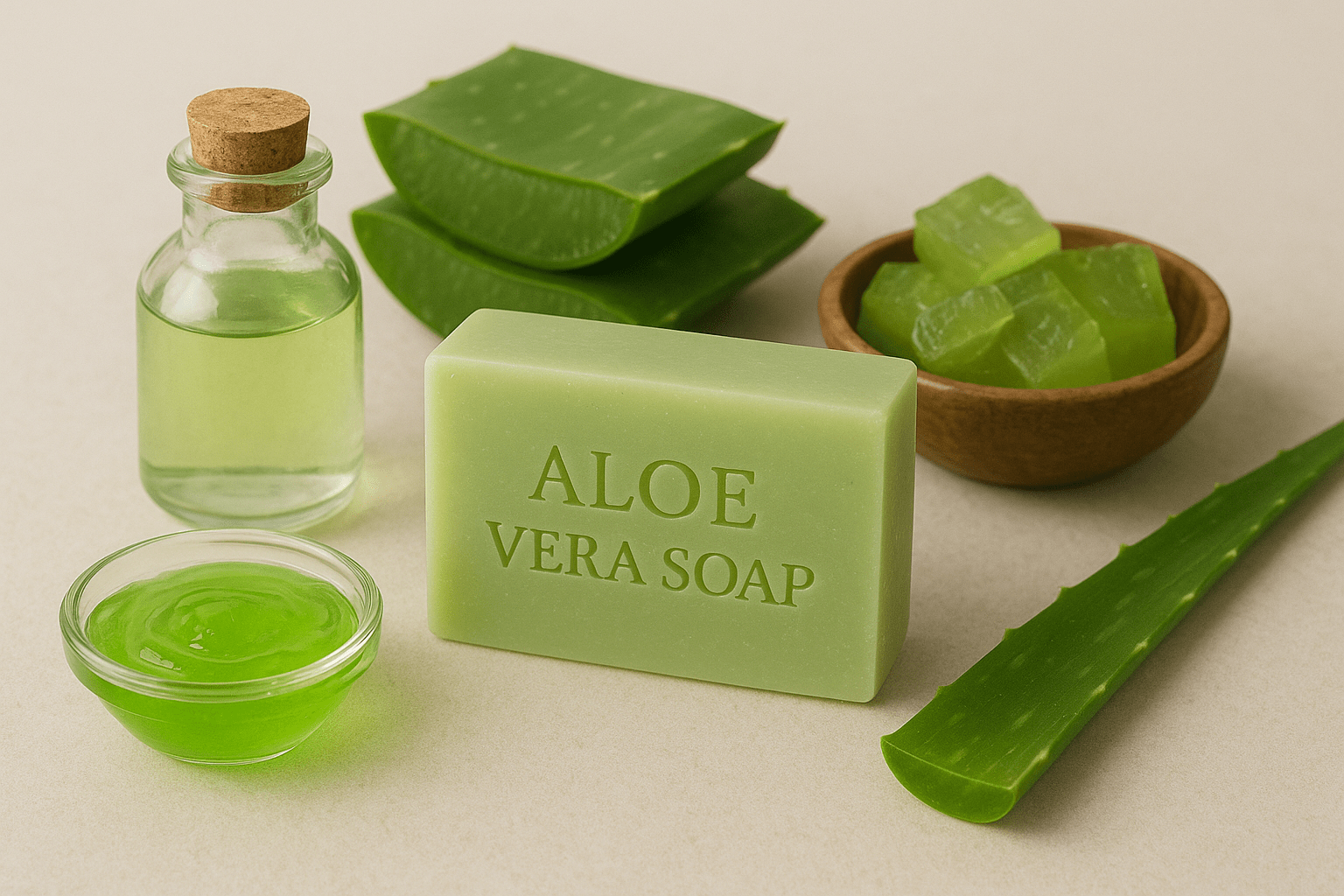
aloe vera
These boost mildness and are popular in private label sensitive-skin product lines.
Who Is a Gentle Handmade Soap Suitable For?
-
Dry or dehydrated skin
-
Sensitive skin users
-
Children & family products
-
Eco-friendly or natural market consumers
-
Spa, boutique, and premium gift brands
Mild soaps are also ideal for dermatologist-inspired formulations and brands promoting clean beauty.
How OEM/ODM Manufacturers Ensure Soap Safety
As a professional soap manufacturer, we ensure product stability and safety through:
✔ Controlled saponification and pH adjustment
✔ High-purity raw oils and natural additives
✔ Stable formulas for large-scale production
✔ pH testing for every batch
✔ Customized mild formulas for B2B clients
This guarantees that even with a natural alkaline pH, the final product remains comfortable and skin-friendly.
Conclusion: Good Handmade Soap Cleans Without Damaging Skin
A “good soap” is not defined by being low-pH —
it is defined by balanced oils, safe formulation, natural moisturizers, and controlled production.
When crafted properly, handmade soap becomes:
-
gentle
-
moisturizing
-
safe for the skin barrier
-
suitable for sensitive users
For brands seeking private label, small MOQ, or custom formulation, choosing an experienced soap OEM factory ensures both performance and safety.