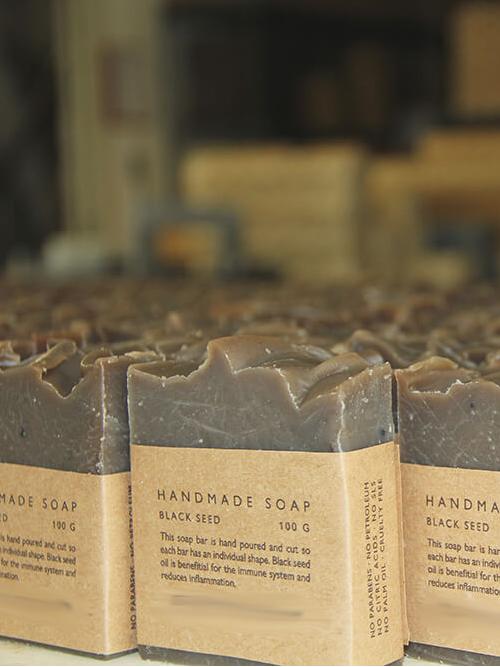
Handmade Soap OEM Process: From Custom Formulation to Market Launch
For beauty brands and distributors, understanding the OEM/ODM process is the key to launching a successful handmade soap line. Whether you are creating a new private label brand or expanding your product range, working with a professional handmade soap OEM factory ensures quality, efficiency, and a strong brand identity.
Step 1: Product Concept & Market Positioning
Every successful soap project starts with a clear vision.
In this stage, brands define:
-
Target audience (eco-friendly, sensitive skin, luxury, hotel amenity, etc.)
-
Soap type (cold process, glycerin, goat milk, or natural herbal soap)
-
Brand story and design direction
The OEM team uses this information to plan formulations and design concepts that align with your market positioning.
Step 2: Formula Design & Ingredient Selection
This stage focuses on product performance and safety.
Professional OEM suppliers help select natural oils, butters, and botanical extracts—for example:
-
Olive Oil & Shea Butter for hydration
-
Coconut Oil for rich lather
-
Charcoal or Clay for deep cleansing
-
Essential Oils (optional) for scent customization
Formulas can be developed for fragrance-free, vegan, or organic-certified versions based on brand needs.
Step 3: Sample Development & Testing
Once the formula is confirmed, the supplier produces sample soaps for evaluation.
Testing includes:
-
Lather quality and skin feel
-
Color and scent stability
-
pH and ingredient compatibility
-
Shelf life and packaging fit
This step ensures all products meet brand and regulatory standards before full production.
Step 4: Packaging Design & Label Customization
Packaging plays a huge role in brand recognition.
Factories often provide private label design services, including:
-
Custom logo printing, paper wraps, or boxes
-
Eco-friendly packaging (kraft paper, recyclable materials)
-
Label compliance with international standards (INCI, FDA, EU)
Step 5: Mass Production & Quality Control
After final approval, the soap enters full production.
OEM factories follow strict quality control procedures for each batch—checking weight, color, and curing consistency.
Advanced production lines can achieve both small-batch artisanal and large-scale wholesale manufacturing.
Step 6: Packaging, Logistics & Global Delivery
Once finished, products are packed securely and prepared for international shipment.
Most OEM suppliers support:
-
Export documentation (COA, MSDS, Form E, etc.)
-
Custom packaging and barcoding
-
Flexible shipping options (air, sea, or express)
Why Choose a Professional Handmade Soap OEM Partner
-
One-stop solution: From R&D to final delivery
-
Faster time to market: Ready-to-brand formulations
-
Scalability: Supports both startups and global distributors
-
Customization: Formulas, scents, and packaging tailored to your brand
Conclusion
The handmade soap OEM process bridges creativity and manufacturing precision. By collaborating with a professional private label soap supplier, brands can efficiently transform product ideas into market-ready collections — saving time, maintaining quality, and achieving sustainable growth in the competitive skincare industry.