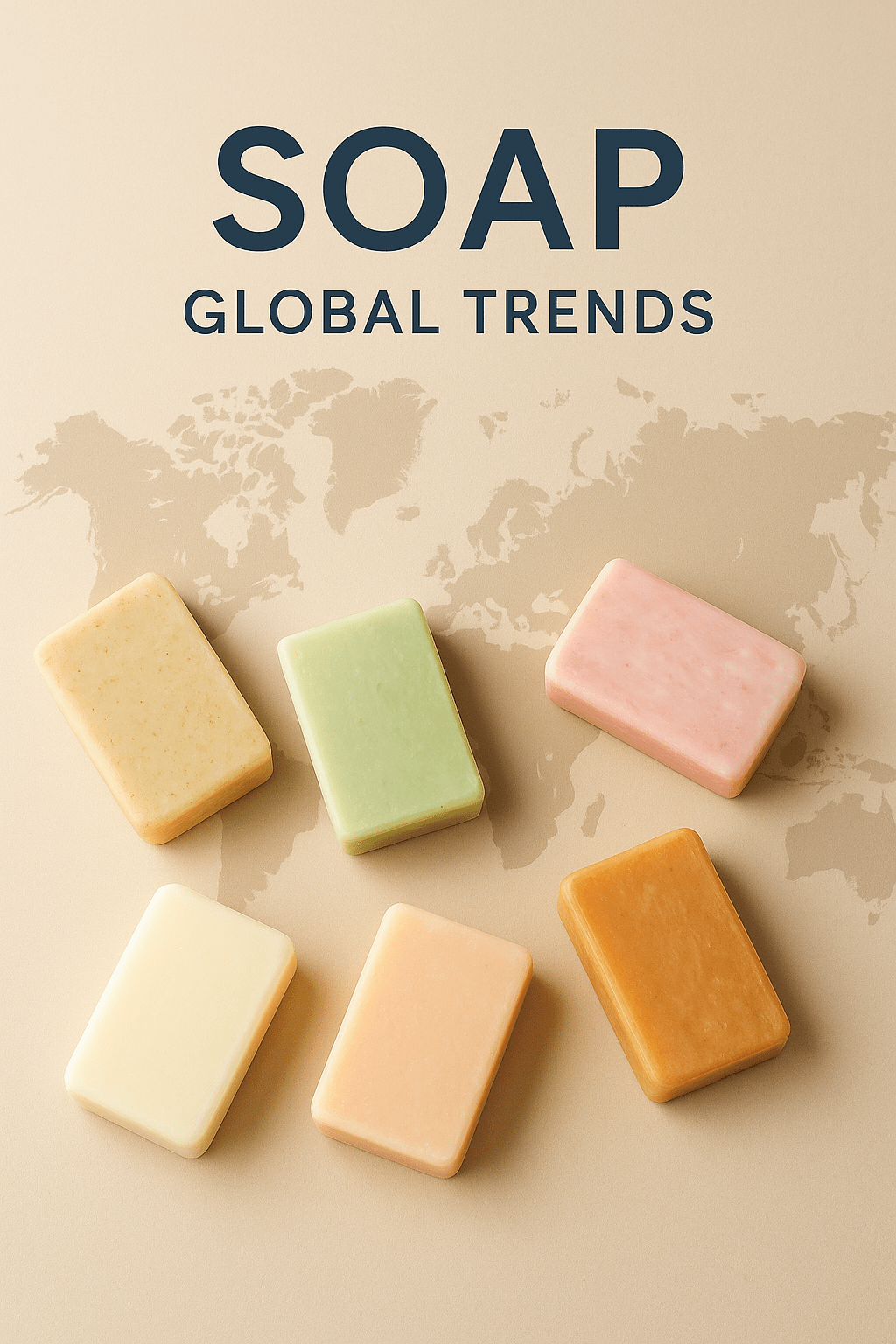
1. Global Market Growth
According to recent industry reports, the global handmade soap market is projected to grow steadily in 2025, with a focus on:
-
Rising demand for natural and organic ingredients: Consumers are becoming more conscious about chemicals and preservatives in personal care products.
-
Increasing awareness of skin health and wellness: Handmade soaps that offer moisturizing, soothing, and therapeutic benefits are favored over conventional soaps.
-
E-commerce and social media influence: Online sales channels and digital marketing help artisan soap brands reach a broader audience.
Markets in North America, Europe, and Asia-Pacific are leading the growth, with eco-conscious and wellness-oriented consumers driving demand for premium handmade soaps.
2. Popular Categories and Ingredient Trends
Plant-Based and Natural Ingredients
The shift towards plant-derived oils, butters, and botanical extracts continues. Ingredients like shea butter, coconut oil, olive oil, aloe vera, and green tea extract are highly sought after for their skin benefits.
Essential Oil and Aromatherapy Soaps
Consumers prefer soaps infused with lavender, tea tree, rosemary, or citrus essential oils for both fragrance and functional skincare effects, such as calming, purifying, and energizing.
Functional and Specialty Soaps
Handmade soaps that deliver targeted results are gaining popularity, including:
-
Detoxifying soaps with activated charcoal or clay
-
Exfoliating soaps with oatmeal or coffee grounds
-
Hydrating soaps with hyaluronic acid or vitamin E
Sustainable and Eco-Friendly Products
Packaging sustainability remains critical. Consumers favor soaps in biodegradable wrappers, recyclable boxes, or refillable containers, aligning with environmental values.
3. Consumer Preferences and Buying Behavior
The 2025 consumer is informed, selective, and environmentally conscious. Key purchasing factors include:
-
Ingredient transparency: Clear labeling of oils, botanicals, and additives
-
Skin benefits: Soaps that address specific concerns like dryness, sensitivity, or oil control
-
Sensory experience: Unique scents, textures, and visual appeal
-
Brand story and sustainability: Ethical sourcing and eco-friendly practices influence buying decisions
These preferences indicate that handmade soap brands that combine natural ingredients, functional benefits, and eco-conscious packaging are more likely to capture market share.
4. Opportunities for Handmade Soap Brands
-
Innovation in fragrance and ingredient blends: Combining unique essential oils and plant extracts to create signature products
-
Premium positioning: Offering artisanal, small-batch, or limited-edition soaps to attract discerning consumers
-
Expansion into niche markets: Targeting specific demographics such as sensitive skin users, wellness enthusiasts, or eco-conscious buyers
-
Storytelling and content marketing: Sharing the origins of ingredients and the production process helps build consumer trust and engagement
Conclusion
The handmade soap market in 2025 presents promising growth opportunities driven by demand for natural, functional, and eco-friendly products. Brands that embrace trends in plant-based ingredients, essential oils, and sustainable practices can differentiate themselves in a competitive market, attract loyal consumers, and maximize sales potential. By aligning product offerings with consumer preferences, handmade soap brands can thrive in a global market that values wellness, sustainability, and high-quality skincare.