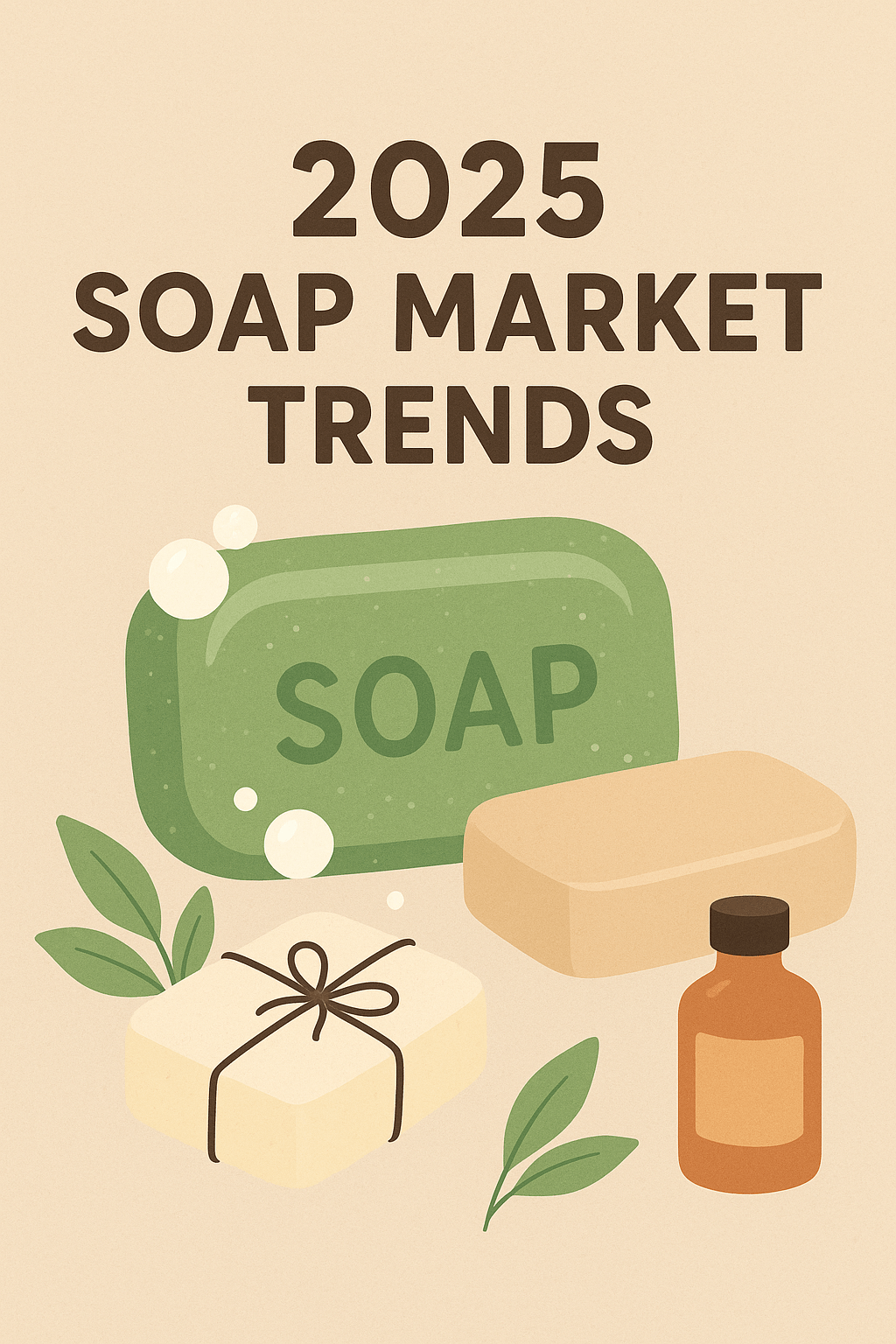
The global soap industry is undergoing a remarkable transformation, creating lucrative opportunities for new and innovative brands. As we approach 2025, consumers are becoming more conscious of what they put on their skin, as well as the environmental impact of their purchases. This shift is driving growth in natural, eco-friendly, and personalized soap products, making the market more competitive yet full of potential for entrepreneurs.
1. Market Growth and Size
The global soap market has experienced steady growth over the past decade and shows no signs of slowing down. According to recent industry reports, the market is projected to reach over $30 billion by 2025, with a compound annual growth rate (CAGR) of around 5%. Handmade and specialty soaps are capturing an increasing share, reflecting consumers’ willingness to pay a premium for quality, natural ingredients, and artisanal craftsmanship.
Regions such as North America, Europe, and Asia-Pacific are leading this growth. North America shows high demand for organic and vegan soaps, Europe emphasizes eco-friendly packaging, and Asia-Pacific benefits from a booming middle-class market with increasing skincare awareness.
2. Key Consumer Trends
Understanding consumer behavior is crucial for new brands. The following trends are shaping the soap industry in 2025:
-
Eco-Friendly Products: Sustainability is no longer optional. Consumers prefer soaps made from biodegradable ingredients and packaged in minimal or recyclable materials. Plastic-free packaging and zero-waste products are becoming strong selling points.
-
Customization and Personalization: Personalized soaps allow customers to select scents, shapes, colors, and packaging according to their preferences. This trend is especially popular for gifts and special occasions, creating a unique selling opportunity.
-
Natural and Organic Ingredients: Ingredients such as shea butter, coconut oil, essential oils, and glycerin are increasingly popular due to their skin benefits. Consumers actively avoid harsh chemicals and synthetic fragrances, prioritizing gentle and hypoallergenic options.
-
Ethical and Transparent Branding: Buyers are researching brands for ethical sourcing, cruelty-free practices, and transparency in ingredient lists. Brands that clearly communicate these values gain consumer trust and loyalty.
3. Opportunities for New Brands
New entrants in the soap market can capitalize on these trends by focusing on quality, sustainability, and niche differentiation. Small-batch handmade soaps offer a premium experience that mass-produced alternatives cannot match.
-
Innovation in Ingredients: Experimenting with natural extracts, botanicals, and essential oils can attract health-conscious consumers. Ingredients with added skin benefits, like antioxidants or moisturizers, are particularly appealing.
-
Unique Brand Storytelling: Sharing the origin story, the artisan process, and the sustainable mission of the brand can create emotional connections with consumers.
-
Digital-First Approach: E-commerce is increasingly the main sales channel. Brands that optimize their websites for SEO, engage in social media storytelling, and invest in high-quality product photography can stand out in the crowded market.
4. Digital Marketing Strategies
For new soap brands, online visibility is critical. Incorporating SEO strategies that target key phrases such as “handmade soap,” “organic soap,” “natural soap,” and “eco-friendly soap” can significantly improve search engine rankings. Additionally, content marketing—such as educational blog posts, skincare tips, and sustainability guides—can build brand authority and trust.
Social media platforms like Instagram, TikTok, and Pinterest are effective for visually showcasing product aesthetics. Collaborating with influencers who align with brand values can boost awareness and drive traffic to your online store.
5. Future Outlook
The global soap market in 2025 presents abundant opportunities for new brands willing to embrace innovation, sustainability, and digital marketing. Consumer demand for premium, natural, and eco-friendly soaps will continue to grow, and small brands have the advantage of agility, authenticity, and personalization.
Entrepreneurs entering the soap industry should focus on combining quality ingredients, creative branding, and strong online presence. By doing so, they can carve out a profitable niche and meet the evolving expectations of modern consumers.