Introduction: The Plastic-Free Movement in the Soap Industry
In recent years, eco-friendly soap has become a leading force in the global sustainability movement. Consumers are actively seeking products that align with their environmental values, especially those that minimize plastic waste. For soap brands, adopting zero-waste packaging and sustainable production practices is no longer optional—it’s essential for long-term success.
1. The Problem with Plastic in Personal Care
The personal care industry generates millions of tons of plastic waste every year—from shampoo bottles to soap wrappers. Much of this waste ends up in oceans and landfills, taking hundreds of years to decompose. Traditional liquid soaps, which come in plastic bottles, are a major contributor.
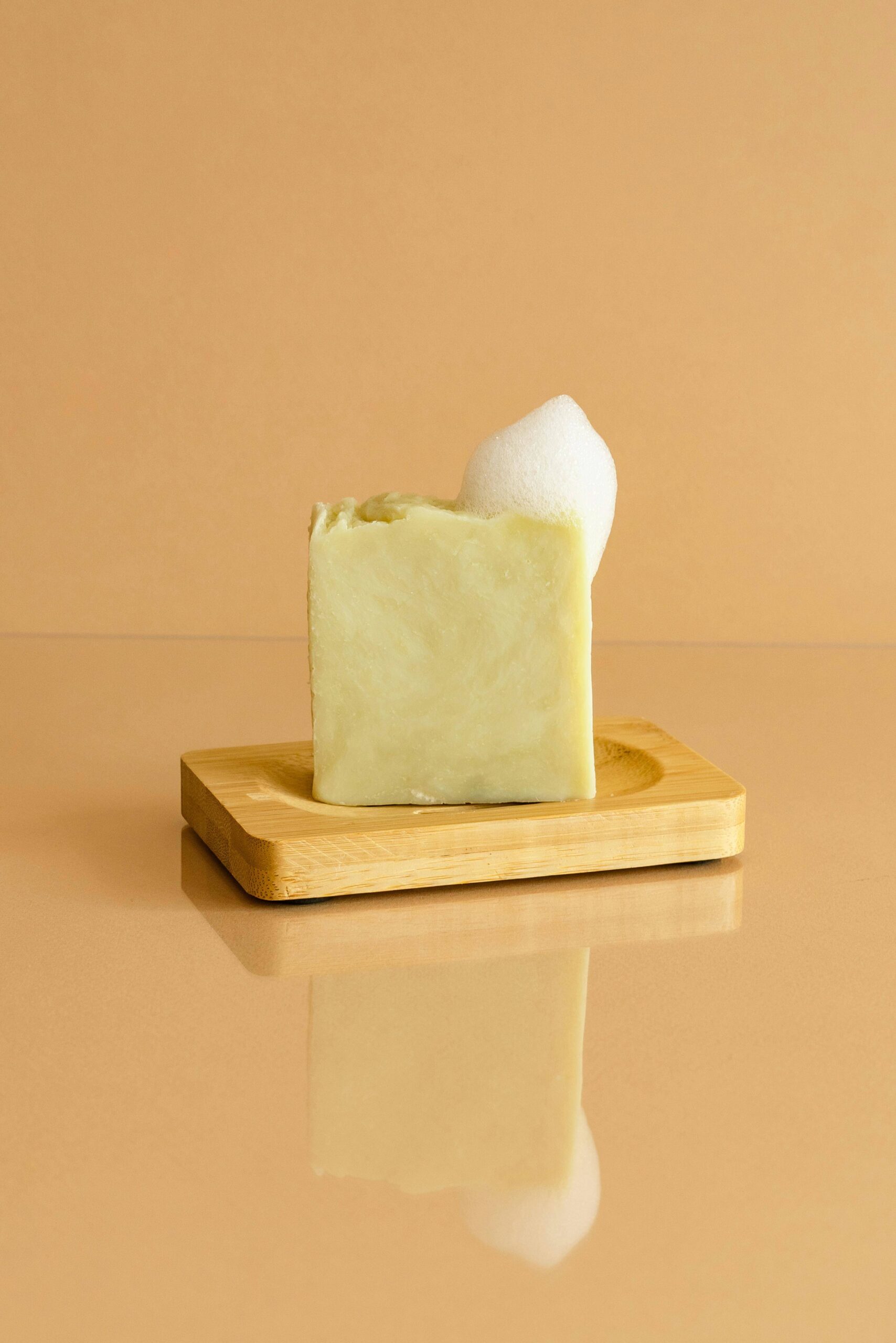
In contrast, solid bar soaps—especially handmade or natural options—require minimal or no plastic packaging, making them a cleaner and more responsible alternative.
2. What Makes a Soap “Eco-Friendly”?
An eco-friendly soap focuses on both the formulation and packaging:
-
Natural Ingredients: Plant-based oils, essential oils, and biodegradable compounds that don’t harm the environment.
-
Plastic-Free Packaging: Recycled paper, cardboard boxes, or compostable wraps.
-
Sustainable Manufacturing: Reduced water use, renewable energy, and local sourcing.
-
Minimal Waste: Refillable, reusable, or fully compostable packaging solutions.
When brands adopt these principles, they not only protect the planet but also appeal to eco-conscious consumers who value authenticity and responsibility.
3. The Rise of Zero-Waste Soap Brands
The zero-waste soap trend has transformed the way consumers view hygiene products. Brands like Ethique and Lush have proven that sustainability sells. These companies eliminate plastic entirely by using paper wraps or “naked” soaps (soaps without any packaging at all).
Zero-waste soaps also emphasize concentrated formulas, which reduce shipping weight and carbon emissions. For small handmade soap producers, this approach offers an effective way to stand out in a crowded market.
4. How Sustainable Soap Brands Can Reduce Plastic Waste
Here are actionable strategies for soap manufacturers and private label brands:
-
Use Recyclable or Compostable Packaging: Replace plastic shrink wraps with kraft paper or cellulose film.
-
Offer Refill or Bulk Options: Encourage customers to reuse containers or buy in larger quantities.
-
Partner with Green Suppliers: Work with packaging companies that specialize in sustainable materials.
-
Educate Consumers: Use your website and labels to explain the benefits of zero-waste living.
-
Adopt a Circular Supply Chain: Recycle offcuts, reuse molds, and reduce transportation emissions.
By applying these strategies, soap brands can strengthen their sustainability credentials while maintaining profitability.
5. The Marketing Advantage of Going Plastic-Free
Consumers are increasingly choosing brands that demonstrate genuine environmental commitment. Highlighting plastic-free packaging, eco certifications, and biodegradable ingredients on your website helps build trust and loyalty.
For B2B buyers, working with a sustainable soap brand means they can promote products aligned with their corporate ESG (Environmental, Social, and Governance) goals—a growing priority in global retail.
Conclusion: Sustainability Is the Future of Soap Manufacturing
Reducing plastic waste through eco-friendly soap production is more than a marketing trend—it’s a global movement. Brands that embrace zero-waste design, biodegradable packaging, and sustainable manufacturing are paving the way for a cleaner, greener future.
By committing to sustainability, you’re not only helping the planet—you’re also building a brand that today’s conscious consumers are proud to support.