As consumers become more ingredient-conscious, soap safety has become a critical topic for both brands and manufacturers. Parents, people with sensitive skin, and clean-beauty consumers increasingly scrutinize ingredient lists, looking for products that are gentle, transparent, and responsibly formulated.
However, not all “controversial ingredients” are outright unsafe. Many are legally permitted but raise concerns due to irritation potential, allergy risk, or consumer perception. In this article, we break down the most commonly debated soap ingredients, explain why they are questioned, and share low-irritation alternatives used by professional soap manufacturers.
Why Ingredient Controversy Matters in Soap Products
Soap is a rinse-off product, but that does not eliminate safety concerns—especially for:
-
Babies and children
-
Sensitive or compromised skin
-
Daily or frequent use scenarios
From a brand perspective, controversial ingredients can:
-
Reduce consumer trust
-
Trigger regulatory scrutiny in EU/UK/US markets
-
Increase customer complaints or returns
Understanding ingredient risks helps brands position their soaps as safe, gentle, and compliant, rather than reactive to negative claims.
Commonly Controversial Ingredients in Soap Formulations
1. Strong Alkaline Soap Bases (High pH Soaps)
Why they are controversial:
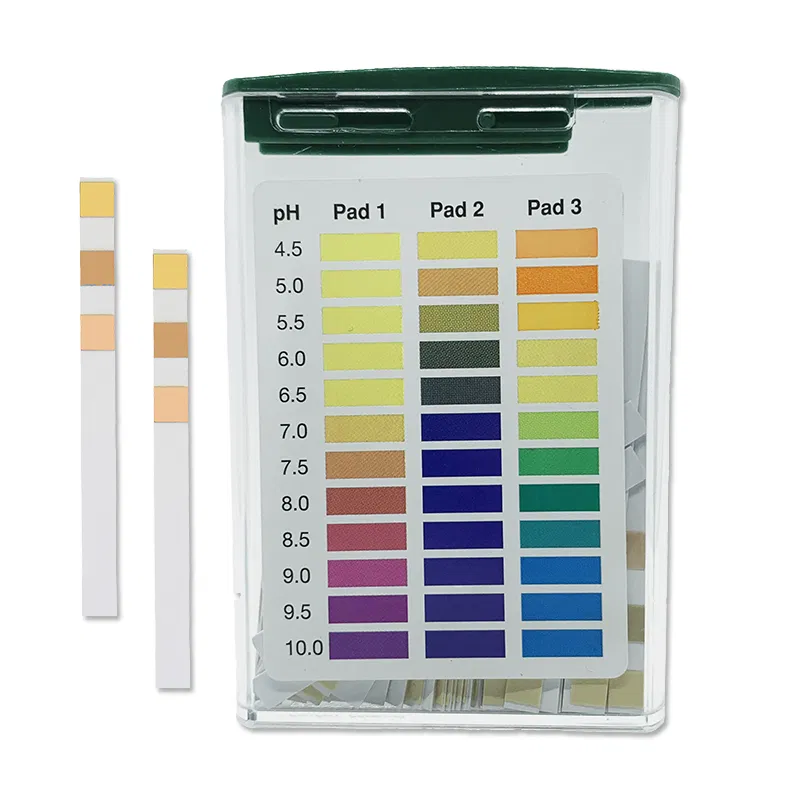
Traditional soaps often have a pH between 9 and 10, which can disrupt the skin barrier, leading to dryness, irritation, and discomfort—especially for babies and sensitive skin users.
Potential concerns:
-
Skin barrier damage
-
Eye irritation
-
Increased dryness after washing
Factory alternatives:
-
pH-adjusted soap systems
-
Mild syndet (synthetic detergent) bars
-
Balanced fatty acid blends to reduce alkalinity
Modern baby and sensitive skin soaps are typically formulated closer to pH 6.5–7.5.
2. Synthetic Fragrances (High Allergen Potential)
Why they are controversial:
Fragrance is one of the most common causes of skin sensitivity. Even when used within legal limits, complex fragrance blends may contain allergens.
Potential concerns:
-
Contact dermatitis
-
Eye irritation
-
Negative perception among clean-beauty consumers
Factory alternatives:
-
IFRA-compliant fragrance at low concentrations
-
Hypoallergenic fragrance blends
-
Fragrance-free or lightly scented options
For baby soaps, many manufacturers offer unscented or ultra-low fragrance formulas.
3. Essential Oils (Natural but Not Always Gentle)
Why they are controversial:
Although natural, essential oils contain highly concentrated active compounds that may irritate sensitive or infant skin.
Potential concerns:
-
Skin sensitization
-
Eye irritation
-
Inconsistent composition between batches
Factory alternatives:
-
Avoiding essential oils in baby soaps
-
Using standardized botanical extracts instead
-
Offering fragrance-free product lines
Natural does not automatically mean safe—especially for infants.
4. Artificial Colorants
Why they are controversial:
Colorants add visual appeal but offer no functional skin benefit. Some synthetic dyes are associated with irritation or consumer distrust.
Potential concerns:
-
Skin sensitivity
-
Eye irritation
-
Negative perception in baby and clean-label products
Factory alternatives:
-
No-color formulations
-
Mineral or naturally derived colorants (used sparingly)
-
Clear or white soap bars emphasizing purity
Many baby soap brands now choose color-free positioning to reinforce safety.
5. Preservatives (Often Misunderstood)
Why they are controversial:
Preservatives such as phenoxyethanol are frequently questioned online, even though they are legally approved within specific limits.
Potential concerns:
-
Consumer fear driven by misinformation
-
Sensitivity at high concentrations
Factory perspective:
-
Solid soaps often require minimal or no preservatives
-
When used, concentrations are strictly controlled
-
Alternative preservation systems may be offered
Reputable manufacturers focus on microbiological safety without over-preservation.
6. Sulfates (SLS / SLES)
Why they are controversial:
Sulfates are known for strong cleansing and foaming but can be harsh for sensitive or baby skin.
Potential concerns:
-
Skin dryness
-
Eye irritation
-
Barrier disruption
Factory alternatives:
-
Amino acid-based surfactants
-
Non-ionic surfactants such as glucosides
-
Mild blended cleansing systems
Most baby soaps today are sulfate-free by design.
Low-Irritation Ingredient Strategies Used by Professional Factories
Leading soap manufacturers address ingredient controversy through formulation strategy, not marketing claims.
Gentle Cleansing Systems
-
Amino acid surfactants
-
Mild non-ionic surfactants
-
Reduced alkalinity soap bases
Skin-Supporting Ingredients
-
Glycerin for moisture retention
-
Oat extract for soothing effects
-
Calendula or chamomile for comfort
Minimalist Formulation Philosophy
-
Fewer ingredients
-
Clear functional purpose for each component
-
Avoidance of unnecessary additives
This approach is especially important for baby soap and sensitive skin soap lines.
Quality Control: Turning Safe Formulas Into Safe Products
Even the best formula must be supported by manufacturing discipline.
Professional soap factories ensure safety through:
-
Raw material compliance (INCI, MSDS, IFRA)
-
pH stability testing
-
Batch consistency and traceability
-
Controlled production environments (ISO / GMP aligned)
These controls help brands confidently claim gentle and safe soap formulations.
How Brands Should Communicate Ingredient Safety
Rather than using fear-based marketing, responsible brands should:
-
Educate consumers clearly
-
Avoid exaggerated “free-from” claims
-
Explain formulation logic and testing standards
Transparency builds long-term trust far better than sensational ingredient avoidance lists.
Conclusion: Safe Soap Is About Balance, Not Fear
Not every controversial ingredient is dangerous—but not every ingredient is suitable for every user. Baby soaps and sensitive skin soaps require:
-
Thoughtful ingredient selection
-
Low-irritation formulation strategies
- Strong factory quality control
For brands, partnering with an experienced soap OEM manufacturer ensures products are safe, compliant, and aligned with modern consumer expectations, without sacrificing performance or stability.