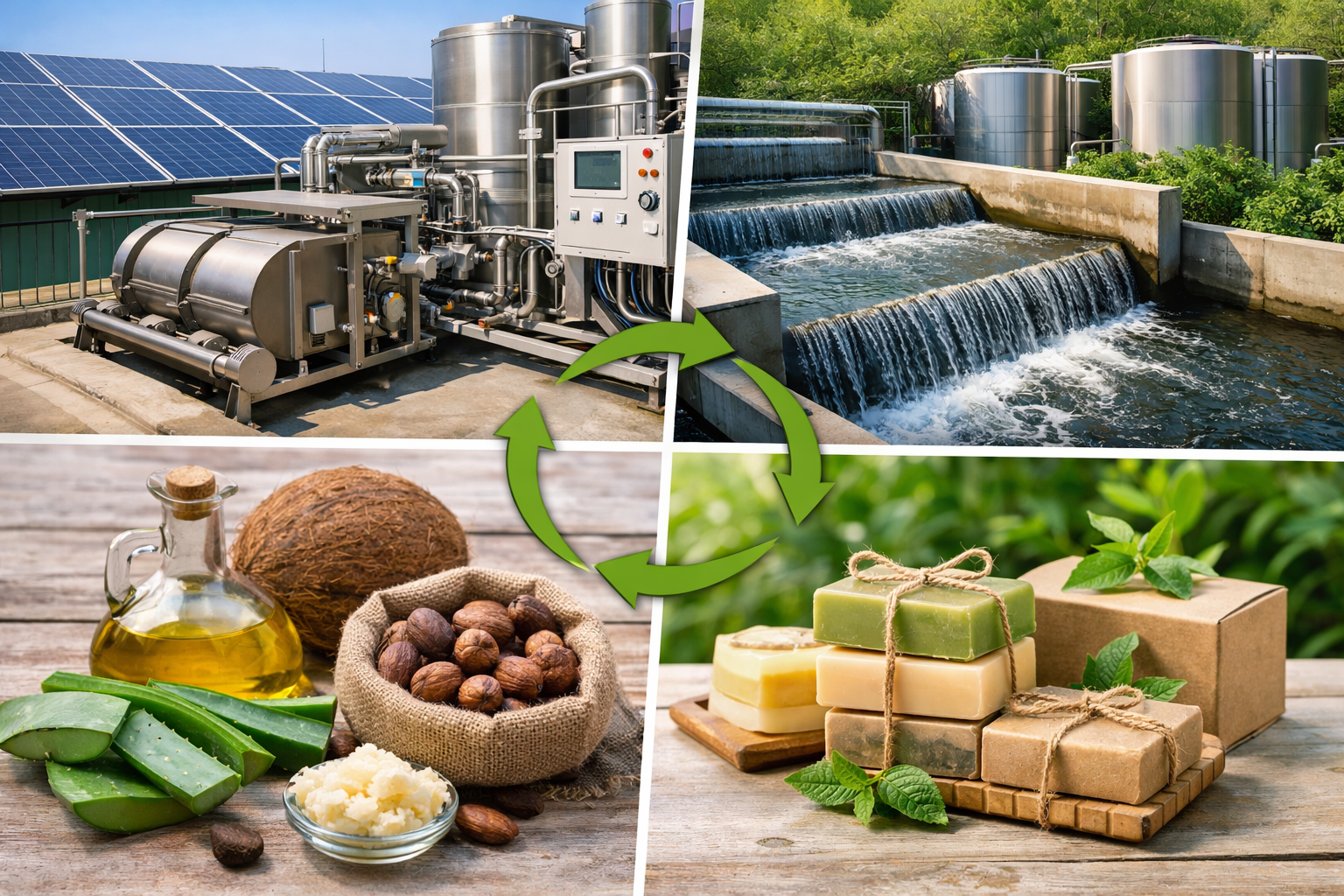
In today’s environmentally conscious world, sustainability is no longer just a buzzword; it’s a necessity. The soap industry, traditionally associated with high water usage, chemical waste, and energy-intensive processes, is embracing green practices to reduce its environmental footprint. Modern green factories are setting a benchmark for sustainable soap production, combining eco-friendly technologies, responsible sourcing, and efficient manufacturing to create high-quality products that respect the planet.
1. Energy Efficiency in Soap Production
One of the cornerstones of sustainable soap manufacturing is energy efficiency. Green factories implement state-of-the-art machinery and energy-saving technologies to minimize electricity and fuel consumption. Automated systems allow precise control over temperature and mixing, reducing waste and lowering energy costs. Solar panels and renewable energy sources are increasingly integrated into production facilities, powering operations with clean energy. By prioritizing energy efficiency, soap manufacturers not only reduce their carbon footprint but also demonstrate a strong commitment to environmental stewardship.
2. Water Conservation and Wastewater Treatment
Soap production traditionally consumes large volumes of water, from ingredient mixing to cleaning equipment. Green factories adopt innovative water-saving measures, including recirculation systems and optimized cleaning protocols. Wastewater generated during production is treated on-site using eco-friendly filtration and chemical-neutralization systems. This ensures that discharged water meets environmental standards, protecting local ecosystems from pollution. Some advanced facilities even repurpose treated water for non-potable uses, such as cooling systems or irrigation, further minimizing resource consumption.
3. Sustainable and Traceable Ingredients
Sustainable soap production starts at the source. Green factories prioritize traceable and renewable raw materials, such as plant-based oils, natural fragrances, and biodegradable additives. By sourcing from certified suppliers, manufacturers can ensure ethical practices, fair trade, and reduced deforestation. Using natural ingredients not only benefits the environment but also appeals to consumers seeking safer, chemical-free alternatives. Transparency in ingredient sourcing is increasingly a competitive advantage, as eco-conscious customers value brands that openly share their sustainability practices.
4. Eco-Friendly Packaging
A truly sustainable soap product extends beyond its formula to its packaging. Green factories are moving away from plastic wrappers, opting for recyclable paper, compostable films, or reusable boxes. Minimalist designs reduce material usage without compromising product protection. By combining sustainable production with eco-friendly packaging, soap brands can offer a complete green solution that resonates with environmentally aware consumers.
5. Circular Production and Zero Waste Initiatives
Leading green factories aim for zero-waste production cycles. Leftover soap scraps and trimmings are reprocessed into new bars, while any organic residues may be composted or converted into bioenergy. Solid waste is carefully sorted and recycled wherever possible. These circular production practices reduce landfill contributions and make soap manufacturing a model for sustainable industrial processes.
6. Certifications and Consumer Trust
Certifications like ISO 14001, EcoCert, or Leaping Bunny provide third-party validation of sustainable production practices. Displaying these certifications enhances brand credibility and reassures consumers that products are environmentally responsible and cruelty-free. For green soap factories, compliance with international sustainability standards is both a moral commitment and a strategic marketing tool.
Conclusion
Sustainable soap production is a holistic process that integrates energy efficiency, water conservation, eco-friendly ingredients, responsible packaging, and zero-waste strategies. Green factories are not only reducing their environmental footprint but also redefining industry standards. By embracing these practices, manufacturers can deliver high-quality, eco-conscious products that align with consumer demand for transparency and sustainability. As more brands adopt green production, the soap industry is poised to become a leading example of how innovation and responsibility can coexist.