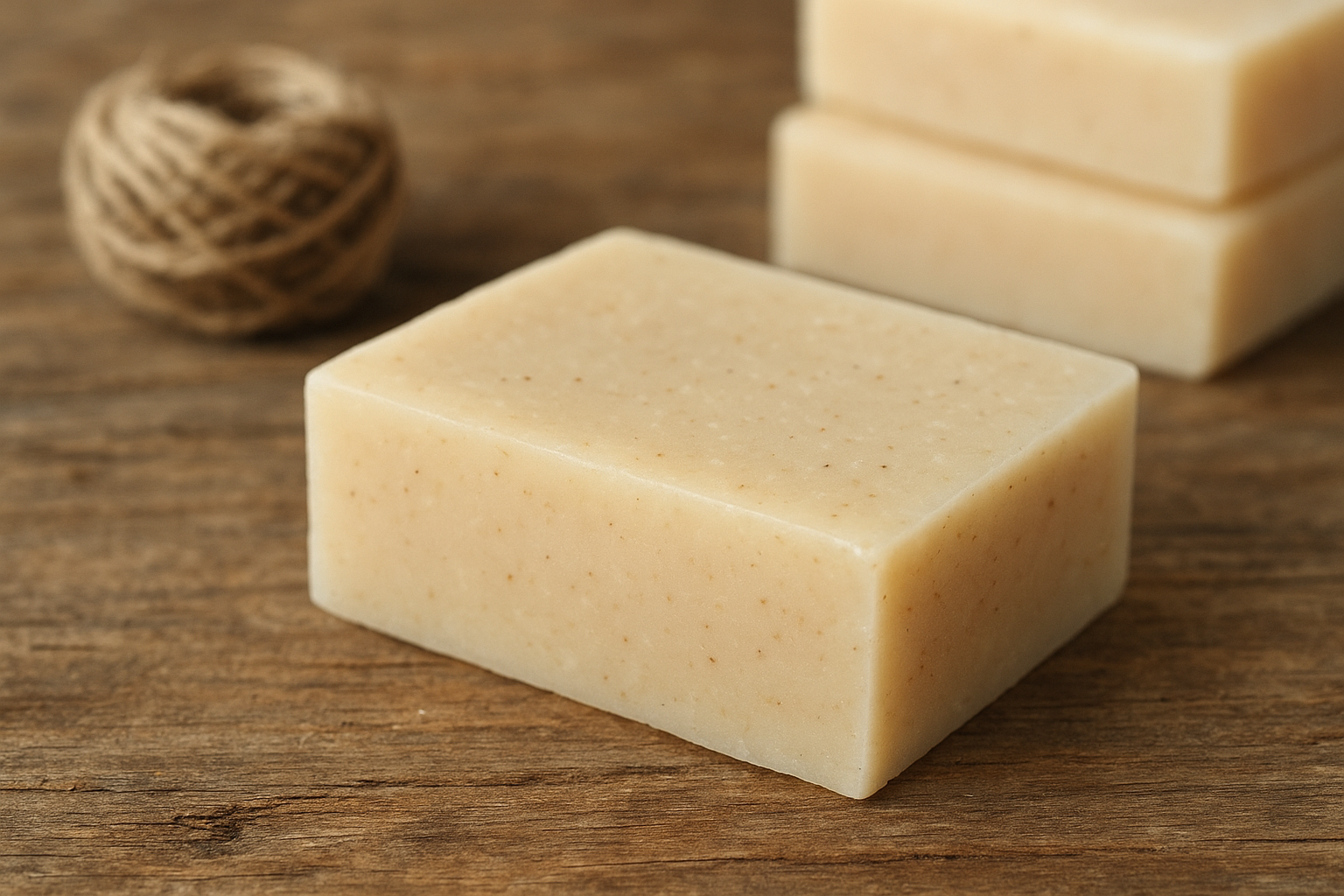
The popularity of essential oil handmade soap has grown rapidly as consumers increasingly look for natural, gentle, and aromatherapeutic skincare solutions. Essential oils not only enrich the soap with natural fragrance but also enhance skin benefits, making them a powerful differentiator in a competitive market. This article shares a detailed case study on how custom essential-oil-based handmade soaps were developed—highlighting ingredient selection, formulation strategy, and market response.
1. Why Essential Oil Handmade Soap Is in High Demand
Essential oils are extracted from plants such as lavender, rosemary, tea tree, eucalyptus, and citrus fruits. Unlike synthetic fragrances, they offer natural aromatic profiles and additional functional benefits.
Consumers today prefer soaps that:
-
contain clean, natural, plant-derived ingredients
-
offer aromatherapy benefits such as stress relief or relaxation
-
support skin health, including soothing, balancing, or purifying effects
-
use eco-friendly and sustainable components
These market preferences make essential oils a strategic ingredient for handmade soap brands aiming to elevate their product uniqueness.
2. Custom Essential Oil Formulation: Highlighting Functional Benefits
One of the most successful essential oil soap customizations combined both aromatherapy value and targeted skincare functions. The formulation included:
-
Lavender Essential Oil
Known for calming and soothing effects, ideal for nighttime usage and sensitive skin. -
Tea Tree Essential Oil
Offers natural antibacterial and purifying properties, suitable for oily or acne-prone skin. -
Sweet Orange Essential Oil
Provides a refreshing scent and brightening effect, appealing to users looking for energizing morning routines.
To balance cleansing with skin nourishment, the soap base was crafted with:
-
olive oil for moisture
-
coconut oil for creamy lather
-
shea butter for skin softness
This blend created a multi-functional essential oil soap that delivers both relaxation and skin improvement—two core selling points in modern natural skincare.
3. Case Study: Custom Scent Profiles for Market Differentiation
A recent collaboration aimed to create a signature essential oil blend inspired by natural botanicals. The theme was “Nature & Wellness,” combining:
-
Bergamot for freshness
-
Rosemary for clarity and focus
-
Cedarwood for grounding warmth
The resulting scent profile stood out from typical floral or herbal soaps and offered a unique, memorable fragrance.
Consumer feedback:
-
“Feels like a spa in a bar of soap.”
-
“A refreshing scent unlike anything in regular stores.”
-
“Gentle, natural, and long-lasting fragrance.”
This positive response showed how a customized essential oil blend can lead to strong product recognition and improved market competitiveness.
4. Market Reaction & Retail Performance
After launch, the essential oil custom soap showed:
-
Higher repeat purchase rates due to signature scent identity
-
Positive customer reviews highlighting relaxing and natural fragrance
-
Strong gifting appeal, particularly during holidays
-
Increased premium positioning, as consumers associate essential oils with higher value
Eco-friendly packaging using kraft paper and minimalist botanical illustrations further enhanced consumer perception and matched the natural appeal of the soap.
5. Key Takeaways for Creating Competitive Essential Oil Handmade Soaps
✔ Choose essential oils with dual benefits
Consumers love fragrances that also help with skin soothing, oil control, or mood balancing.
✔ Create a signature scent
Exclusive blends help distinguish your soap and build brand identity.
✔ Focus on natural oils and butters
Moisturizing bases like shea butter or olive oil elevate product quality.
✔ Use clean and sustainable packaging
Natural soaps pair best with recyclable or biodegradable materials.
✔ Share ingredient stories
Telling the story behind each essential oil—its origin, benefits, and sensory experience—enhances consumer trust and engagement.
Conclusion
Essential oil handmade soap continues to gain market attention due to its natural fragrance, functional benefits, and sustainable appeal. By customizing special essential oil blends and selecting nourishing plant-based ingredients, brands can create products with high differentiation and strong market response. With the right formulation strategy, essential oil soap becomes not just a cleansing product, but a sensory experience that resonates with today’s wellness-focused consumers.