Introduction: Sustainability Drives Consumer Choice
In today’s beauty and personal care market, eco-friendly soap packaging has evolved from a trend to a necessity. As global consumers become increasingly aware of environmental issues, they are demanding transparency, sustainability, and eco-conscious production from the brands they support. For soap manufacturers, the choice of packaging has become just as important as the quality of the soap itself.
1. Why Eco-Friendly Packaging Matters
Eco-friendly packaging goes beyond aesthetics—it reflects a brand’s values and environmental responsibility. Traditional plastic wraps and laminated labels contribute to landfill waste and ocean pollution. In contrast, sustainable packaging materials such as:
-
Recycled kraft paper
-
Biodegradable wraps
-
Compostable films
-
Reusable tins or boxes
help reduce environmental impact and enhance the brand image as a responsible manufacturer.
Consumers today want to align their purchases with their beliefs. By using sustainable packaging, soap brands can attract eco-conscious buyers who are willing to pay a premium for green products.
2. The Psychological Impact of Sustainable Design
Packaging is often the first point of contact between a brand and a consumer. A beautifully designed box made from recyclable materials instantly communicates care, quality, and purpose. According to global retail research, over 70% of consumers say sustainable packaging influences their buying decisions.
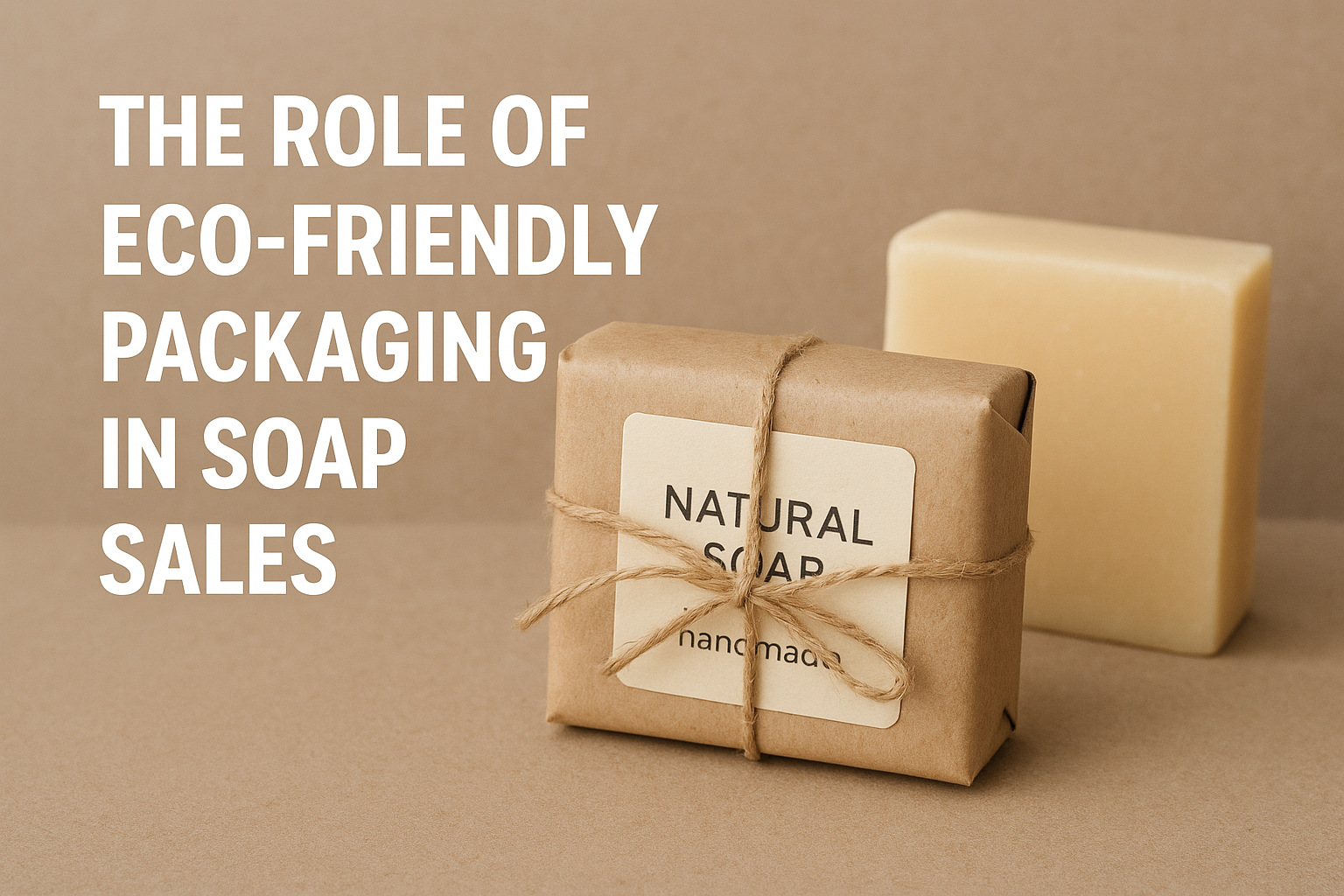
For handmade soap brands, minimalist and natural-looking designs—such as kraft paper sleeves, hemp twine, or soy-based inks—help emphasize authenticity and craftsmanship. These subtle cues strengthen consumer trust and differentiate handmade soaps from mass-produced commercial options.
3. Sustainable Soap Factories and Brand Value
A sustainable soap factory doesn’t just focus on eco-friendly ingredients but extends that philosophy to the entire production chain. This includes:
-
Using recyclable or compostable packaging
-
Reducing packaging waste through optimized design
-
Partnering with green suppliers for labels and boxes
-
Offering bulk or refill options to minimize waste
For B2B buyers or private label clients, partnering with a sustainable manufacturer adds immense marketing value. It allows retailers to highlight sustainability in their branding and meet environmental compliance standards in markets like the EU and North America.
4. Trends in Eco-Friendly Soap Packaging
Several notable trends are shaping the future of sustainable packaging:
-
Zero-waste packaging: Completely compostable or dissolvable materials.
-
Minimalist aesthetics: Less ink, fewer coatings, and recyclable paper.
-
Multi-use designs: Packaging that can be repurposed as soap dishes or travel cases.
-
Refill systems: Encouraging consumers to reuse outer packaging.
These innovations not only appeal to end consumers but also reduce long-term production costs for soap factories.
5. Building an Eco-Responsible Brand Identity
A soap brand’s sustainability message must be consistent across all touchpoints—from ingredient sourcing to packaging to delivery. Highlighting eco-friendly practices on your website, labels, and marketing materials helps reinforce brand integrity.
By emphasizing green values, small and medium soap producers can compete with large commercial brands, gaining loyalty from environmentally conscious customers who prefer ethical and transparent products.
Conclusion: Packaging Sustainability is the Future of Soap Sales
In the competitive global soap market, eco-friendly packaging isn’t just good for the planet—it’s good for business. Brands that embrace sustainable materials and transparent manufacturing are leading the shift toward responsible consumption. Whether you are a handmade soap maker or a private label supplier, investing in sustainable packaging is an investment in your brand’s future.