Introduction
The global soap market is not just about ingredients and fragrances — shape and size play a crucial role in how consumers perceive a product. From elegant square bars to fun heart-shaped soaps, visual appeal can significantly influence purchasing decisions.
As handmade and natural soaps gain popularity worldwide, brands are investing more in custom soap molds and innovative sizing to enhance their market identity and consumer experience. This article explores the most popular soap shapes and size trends shaping the industry today.
1. Why Shape and Size Matter in Soap Design
When it comes to skincare, the first impression often starts with the look and feel of the soap.
-
Shape: determines how comfortable the soap is to hold and use.
-
Size: affects the user experience, price point, and perceived value.
Aesthetic design, combined with ergonomic considerations, helps brands connect emotionally with consumers — making the soap both practical and memorable.
In a crowded market, soap shape and size customization has become an effective way for brands to differentiate and express their story.
2. Most Popular Soap Shapes
Across global markets, several classic shapes continue to dominate the handmade and commercial soap industries.
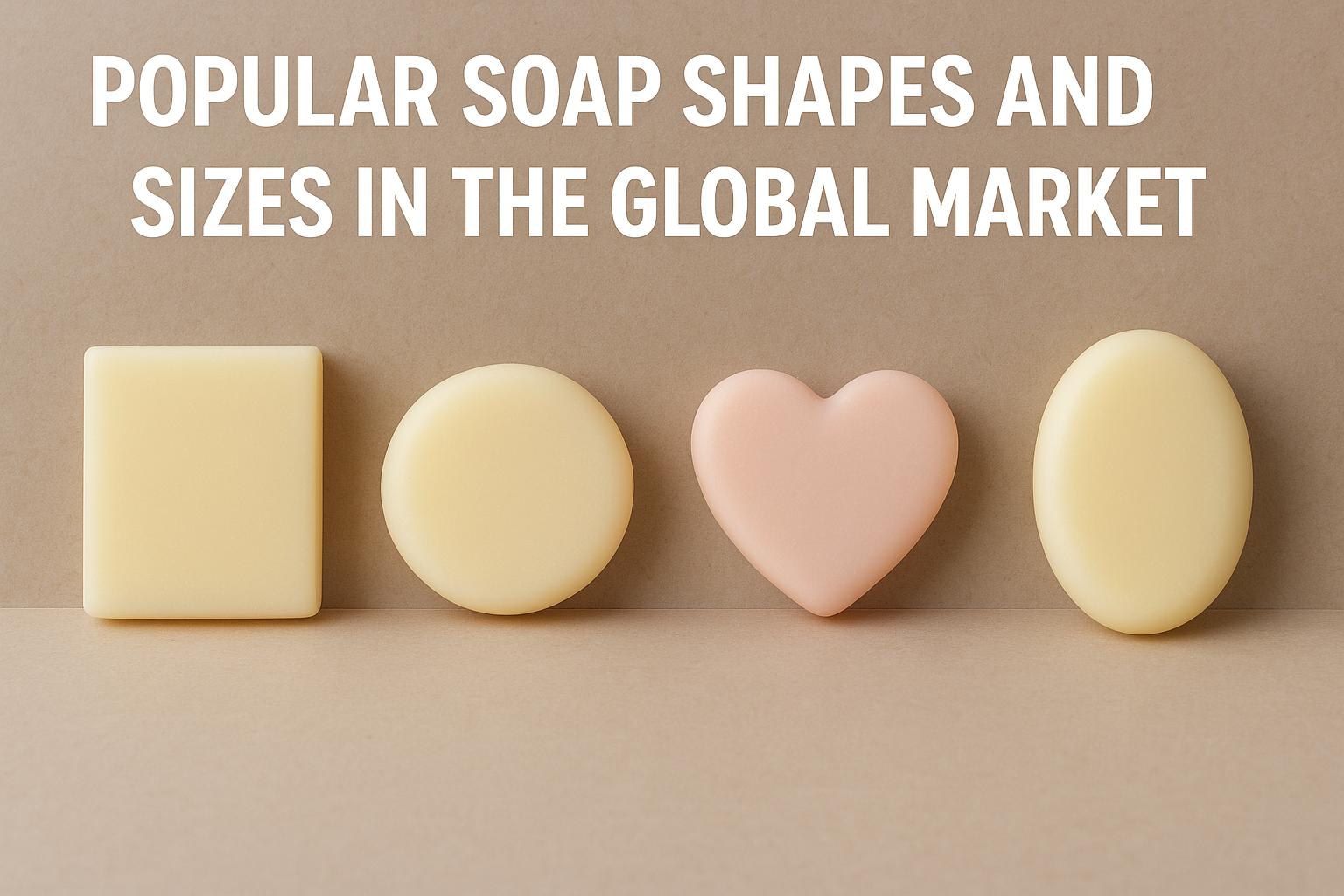
a. Rectangular and Square Soaps
These are the most traditional and widely used forms. They provide a clean, minimalist aesthetic that appeals to both luxury and eco-conscious brands.
Benefits:
-
Easy to cut and package
-
Ideal for stamping or logo embossing
-
Offers a professional, modern appearance
b. Round Soaps
Round soaps are popular for their smooth feel and ease of use. They are often chosen for hotel soaps, gift sets, or facial cleansing bars.
Benefits:
-
Fits comfortably in the hand
-
Soft, organic design associated with natural beauty
-
Great for artisan and spa-style branding
c. Oval and Heart-Shaped Soaps
Oval bars offer a luxurious, refined appearance, while heart-shaped soaps are loved for their gift appeal and emotional connection.
Benefits:
-
Excellent for themed collections (e.g., Valentine’s Day, Mother’s Day)
-
Eye-catching on shelves and e-commerce product photos
d. Specialty and Custom Shapes
Custom molds — such as flower petals, shells, leaves, or brand logos — are gaining popularity among boutique soap brands and private label manufacturers.
Benefits:
-
Strengthens brand recognition
-
Creates a unique unboxing experience
-
Encourages social media sharing and word-of-mouth marketing
3. Trending Soap Sizes in the Global Market
Soap sizes vary depending on usage and target market. The current soap size trends reflect consumer lifestyle changes and packaging innovations.
| Type | Weight Range | Usage |
|---|---|---|
| Standard Bar | 100g – 125g | Everyday use, suitable for retail shelves |
| Mini Bar | 25g – 50g | Hotels, travel kits, promotional gifts |
| Luxury Bar | 150g – 200g | Premium collections, longer-lasting value |
| Custom Size | Variable | Tailored to brand aesthetics or sustainability goals |
Mini soaps are increasingly popular due to eco-friendly lifestyles and travel-friendly convenience, while larger bars are associated with artisanal craftsmanship and premium quality.
4. The Role of Custom Soap Molds
In the handmade and private label industry, the custom soap mold has become a key tool for creative product development.
Brands can now easily design:
-
Unique logo-engraved bars
-
Seasonal or limited-edition collections
-
Gift sets with multiple shapes and sizes
Custom molds not only allow creative freedom but also enhance brand storytelling — turning every soap bar into a work of art.
Example: A botanical brand might use leaf-shaped molds, while a luxury spa line might prefer smooth oval forms to emphasize elegance.
5. Regional and Cultural Preferences
Soap shape and size preferences vary across regions:
-
Europe & North America: favor minimalist square or oval designs with natural finishes.
-
Asia: prefers smaller, lightweight bars for convenience and gift sets.
-
Middle East & Africa: ornate or embossed designs are popular, often inspired by traditional patterns.
Understanding these regional trends helps soap suppliers and exporters tailor their offerings to local tastes and increase global appeal.
6. Sustainability and Packaging Trends
The shape and size of a soap bar also affect packaging choices and sustainability goals.
Smaller, uniform bars reduce waste and shipping costs, while innovative shapes can minimize the need for plastic packaging.
Eco-conscious brands are moving toward:
-
Minimal wrapping (kraft paper, cardboard sleeves)
-
Recyclable packaging that complements the soap’s shape
-
Compact sizes that support low-waste consumer habits
Conclusion
From traditional square bars to creative custom molds, soap shapes and sizes are more than just design choices — they represent a brand’s identity, function, and values.
By embracing custom soap mold innovation and keeping up with global size trends, handmade soap brands can attract a wider audience and stand out in a competitive, design-driven market.
As consumers seek authenticity and visual appeal, creative soap design becomes the next frontier in the natural skincare industry.