1. Introduction: The Rise of Sustainable Skincare
In the past few years, sustainability has become more than just a buzzword — it’s a movement shaping how we live, shop, and care for our skin. As more consumers shift toward eco-conscious lifestyles, vegan soap and cruelty-free soap are gaining popularity.
But what exactly sets vegan soap apart from traditional soap? Is it better for your skin — or just for the environment? Let’s explore the main differences, ingredients, and benefits behind both types so you can make an informed choice for your skincare routine.
2. What Is Vegan Soap?
Vegan soap is made entirely from plant-based ingredients without any animal-derived components or animal testing. Unlike traditional soaps that often include tallow (animal fat) or milk-based additives, vegan soaps use oils and butters from plants such as:
-
Coconut oil – for cleansing and rich lather
-
Olive oil – for moisturizing and nourishment
-
Shea butter – for hydration and softness
-
Castor oil – for creamy texture and bubble stability
In addition, cruelty-free soap ensures that no part of the production process involves testing on animals — a key concern for ethical consumers.
3. What Is Traditional Soap?
Traditional soap refers to conventional formulations that may include animal-derived ingredients or mass-produced chemical additives. These soaps often contain:
-
Tallow (animal fat) – a byproduct from the meat industry, used for hardness and texture
-
Sodium lauryl sulfate (SLS) – a foaming agent that can be harsh on sensitive skin
-
Artificial fragrances or dyes – for aesthetic appeal, though sometimes irritating
While traditional soaps have been used for centuries, modern consumers are beginning to question their environmental and ethical impact, paving the way for vegan and plant-based soap alternatives.
4. Key Differences Between Vegan and Traditional Soap
| Category | Vegan Soap | Traditional Soap |
|---|---|---|
| Ingredients | 100% plant-based oils and natural extracts | May include animal fat, synthetic chemicals |
| Testing | Cruelty-free, no animal testing | Some brands still test on animals |
| Environmental Impact | Biodegradable and eco-friendly | May contribute to pollution via synthetic ingredients |
| Skin Benefits | Gentle, moisturizing, suitable for sensitive skin | Can be drying or irritating for some users |
| Sustainability | Ethically sourced, often plastic-free packaging | Varies by manufacturer, less eco-conscious |
From this comparison, it’s clear that vegan soap aligns better with the values of sustainability, skin health, and ethical living.
5. Why Choose Vegan or Plant-Based Soap?
Switching to plant-based soap offers multiple benefits — for both your body and the planet.
🌿 1. Gentle on the Skin
Vegan soaps are typically made with nourishing oils that retain glycerin, a natural humectant that keeps skin hydrated. Unlike chemical-heavy traditional soaps, they don’t strip away your skin’s natural moisture.
🐰 2. Cruelty-Free and Ethical
Choosing cruelty-free soap means supporting brands that value compassion over profit. No animals are harmed or tested on, making it a more responsible choice.
🌎 3. Better for the Environment
Vegan soaps are often biodegradable and packaged in recyclable or compostable materials. Their natural ingredients also reduce chemical runoff that can pollute waterways.
💧 4. Ideal for Sensitive Skin
Because vegan soaps use mild essential oils and natural colorants, they’re perfect for people prone to eczema, dryness, or irritation.
6. Common Misconceptions About Vegan Soap
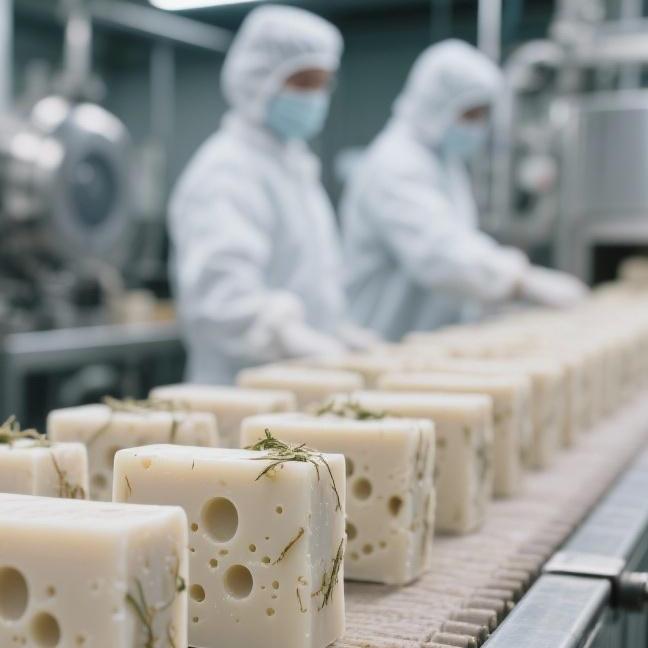
Some people assume vegan soaps are less effective or too gentle — but that’s not true. Thanks to advancements in OEM soap factory formulations, plant-based soaps can now produce rich lather, deep cleansing, and long-lasting fragrance without synthetic additives.
In fact, many luxury brands are turning to vegan and cruelty-free soap as part of their sustainability strategy, appealing to conscious consumers who value both performance and ethics.
7. How to Identify Authentic Vegan Soap
To ensure you’re buying genuine vegan soap, look for:
-
Certified Vegan or Leaping Bunny logos
-
Ingredient lists with no animal derivatives (such as tallow, honey, or milk)
-
Transparent brands that share their ethical sourcing and testing policies
If you’re planning to create your own custom soap brand, consider partnering with an OEM soap factory that specializes in vegan and cruelty-free formulations. This ensures consistency, quality, and market appeal for sustainable consumers.
8. The Future of Soap: Conscious Beauty
The global beauty market is shifting toward clean, ethical, and sustainable production. Vegan soap isn’t just a trend — it’s the future of skincare.
As consumers demand more transparency, brands that embrace plant-based soap formulations and eco-friendly packaging will stand out. Whether you’re an entrepreneur looking to launch a cruelty-free soap line or a conscious shopper seeking better alternatives, choosing vegan means supporting a kinder, greener world.
9. Conclusion
The difference between vegan soap and traditional soap goes far beyond ingredients — it’s about values, sustainability, and skin health.
Vegan soaps offer a cleaner, ethical, and environmentally responsible choice without compromising performance. By switching to plant-based soap, you’re not only caring for your skin but also contributing to a cruelty-free planet.
It’s time to make the switch — because true beauty starts with compassion.